Why sitting wrecks your upper back
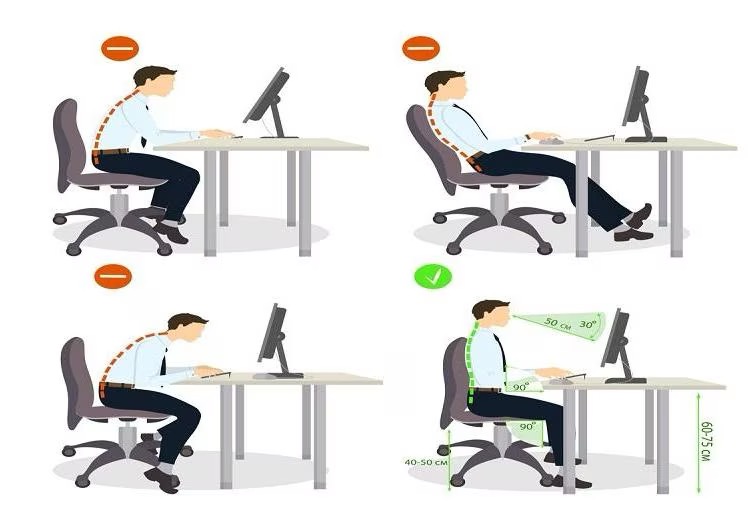
Hi everyone,
Following on from last week’s newsletter about pain being a messenger, let’s talk about one of the most common “messages” I see in clinic:
Upper back and shoulder blade pain.
If you spend long hours sitting — at a desk, driving, or even scrolling on the sofa — you’ve probably felt it:
· That dull ache between the shoulder blades
· Tightness across the chest
· A neck that feels stiff by the end of the day
Most people assume the painful area is the problem.
It usually isn’t.
What’s actually happening?
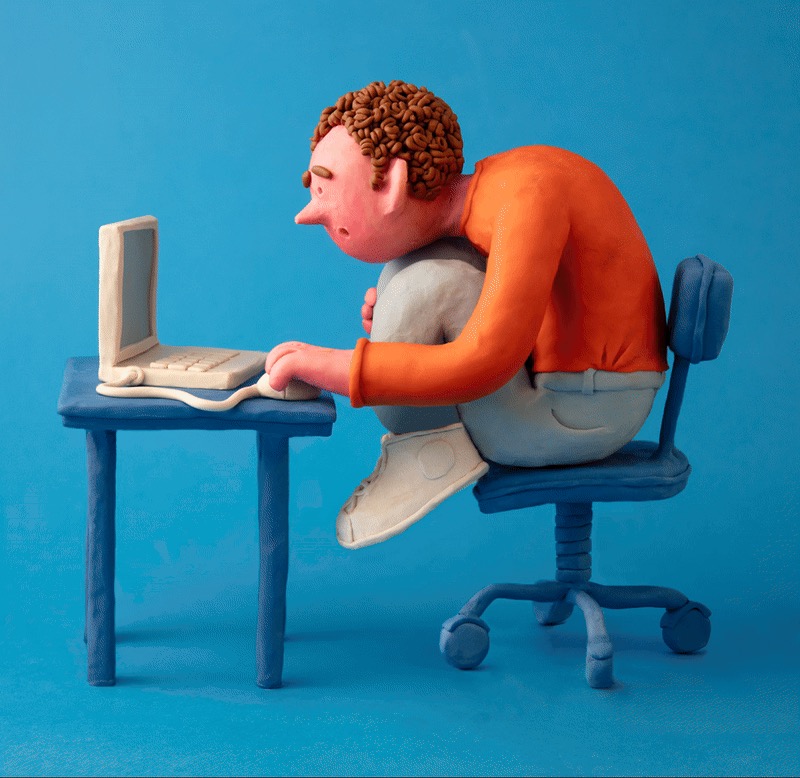
When we sit for long periods, especially slightly rounded forward, a few predictable things occur:
· The muscles at the front of the chest (particularly the pec minor) shorten over time
· The shoulder blades drift slightly forward and down
· The upper back muscles (like the rhomboids and mid-traps) sit in a lengthened position
Those upper back muscles often feel tight — but they’re frequently overstretched and underperforming, not “too short”.
Stretching the sore spot might feel good temporarily.
But if we don’t address strength and position, the ache often returns.

This is where the nervous system comes in
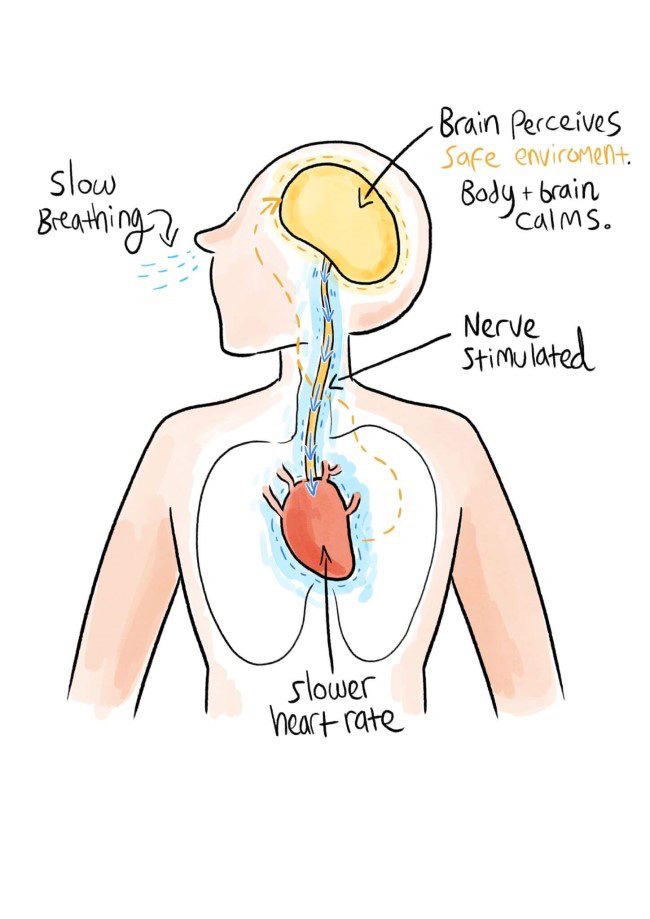
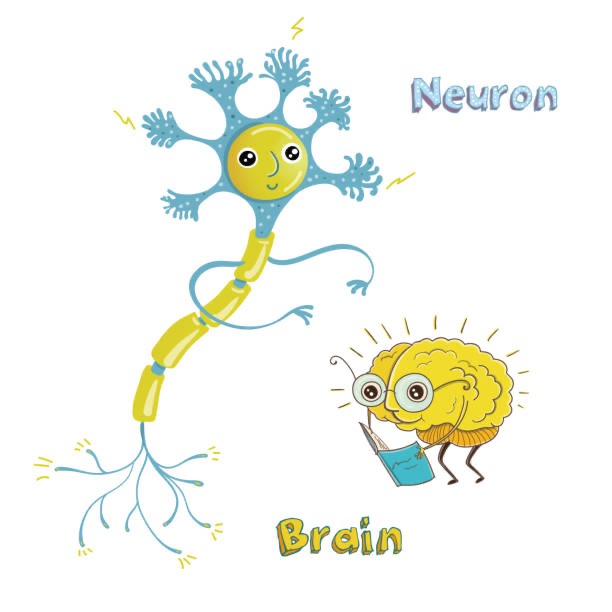
When muscles are held in the same position for hours, your nervous system increases sensitivity in that area. Blood flow reduces, movement variability drops, and the “pain gate” we discussed last time becomes easier to open.
That’s why:
· It feels worse at the end of the workday
· It eases when you move around
· It comes back again tomorrow
The issue isn’t that you’re damaged.
It’s that your body needs different input.
What can actually help?
Instead of just stretching the painful area, think in three steps:
1. Open the front
Gentle chest mobility or doorway stretches.
2. Restore retraction strength
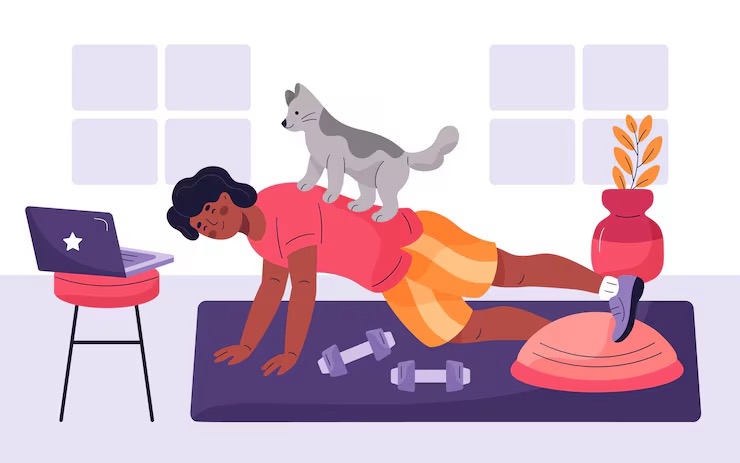
Band rows, face pulls, or controlled pulling movements.
(Even better if done slowly and with control.)
3. Move more frequently
Small posture resets during the day beat one long stretch at night.
Strength tells your nervous system:
“This position is safe. We can handle this.”
And when the nervous system feels safe, pain sensitivity drops.
A simple 60-second reset
· Sit tall
· Gently draw your shoulder blades back and down
· Hold for 5 slow breaths
· Relax
· Repeat 3 times
Small inputs, done regularly, make a big difference.

If upper back pain keeps returning — despite stretching, massage, or posture corrections — it may be time to look at strength, movement quality, and workload together and get a full assessment of your nervous system to see if the vision and vestibular systems (the higher order priority ones for the brain) rather than the usual “hacks” often thrown around.
If that sounds familiar, I’d be happy to help.
Until next time,
Tom
Helping you move better, feel stronger, and get back to doing what you enjoy.