Pain isn’t the problem (it’s the messenger)
Hi everyone,
A very common remark I hear in clinic is:
“I just want the pain gone.”
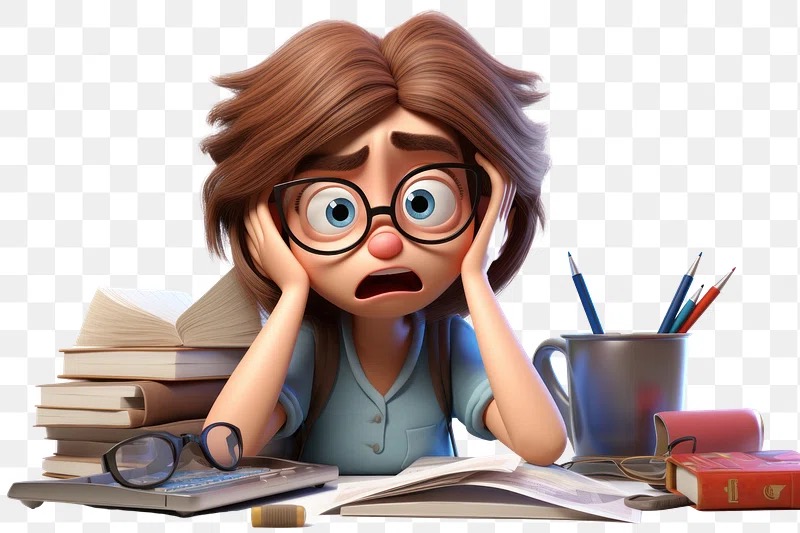
Completely understandable — pain is frustrating, tiring, and often worrying.
But here’s an important shift that helps many people move forward:
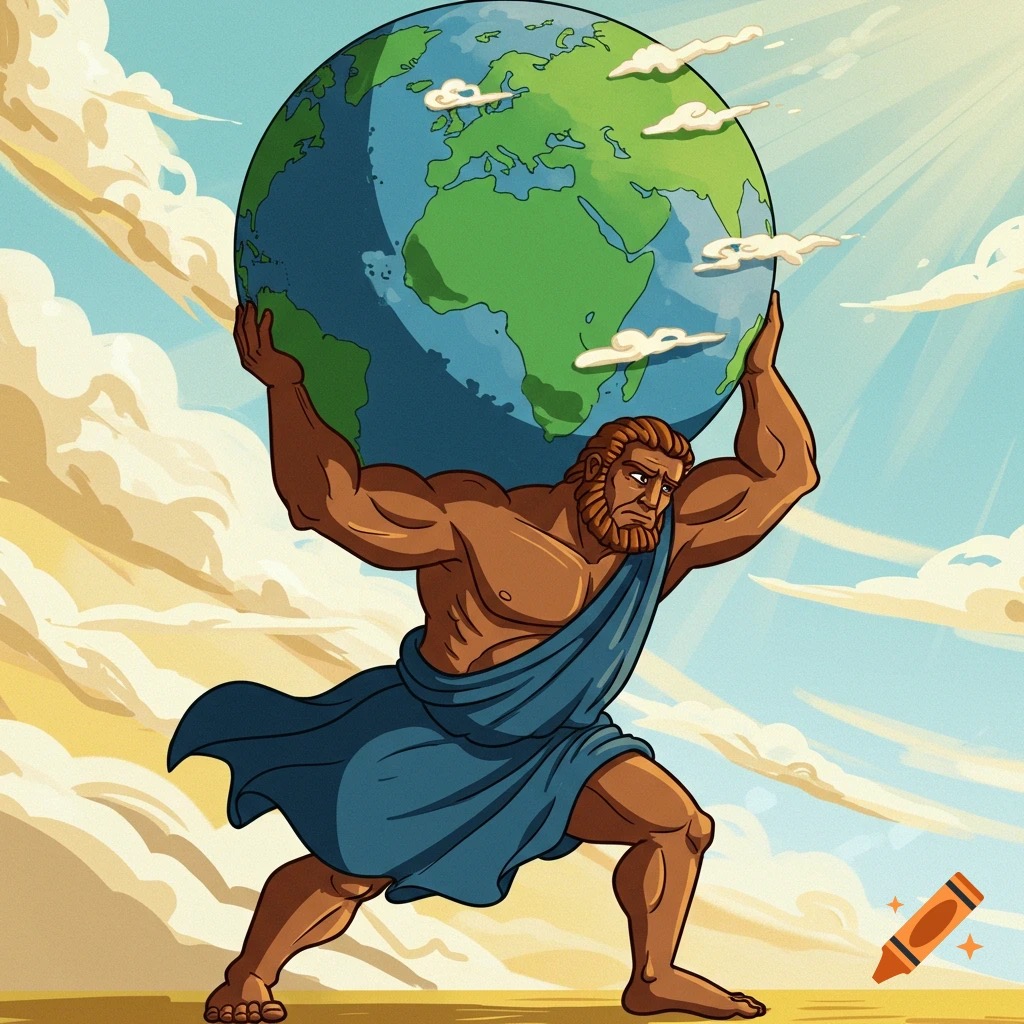
Pain itself isn’t usually the problem. It’s the messenger.
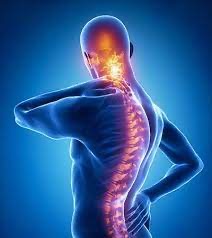
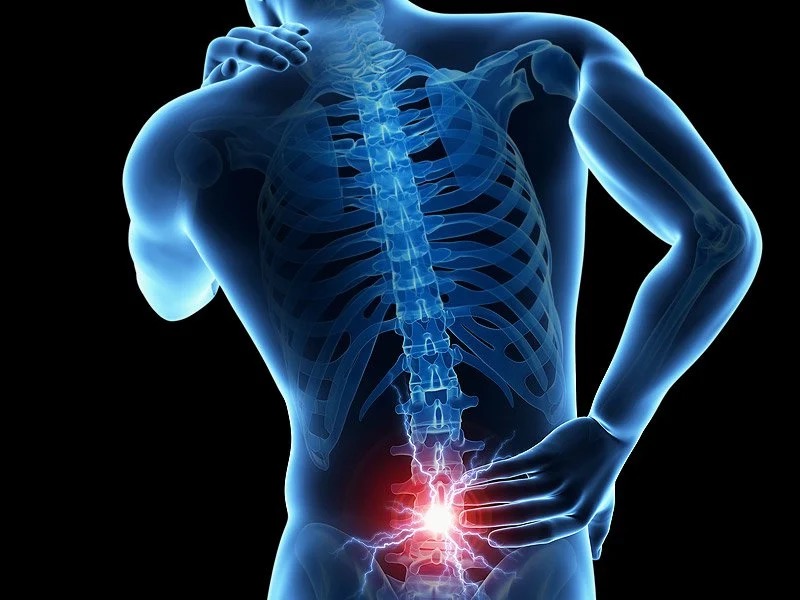
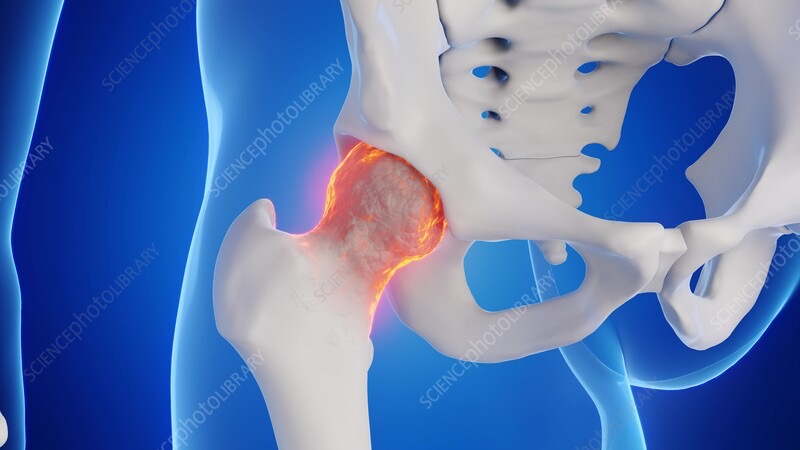
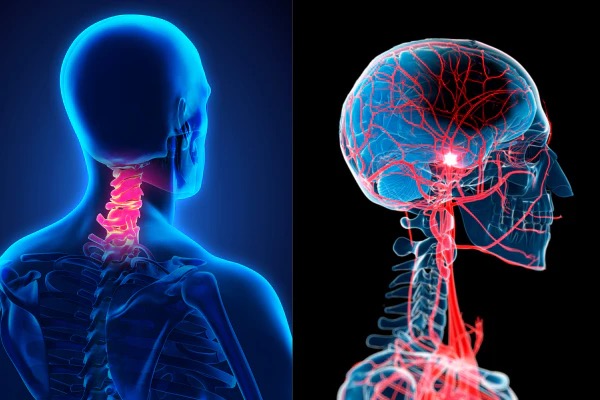
Pain is your nervous system’s way of saying something needs attention. That “something” might be an injury — but just as often it’s a mix of workload, stress, sleep, previous injuries, or how your body is moving (or not moving) day to day it can be a tissue damage/ structural dysfunction too.
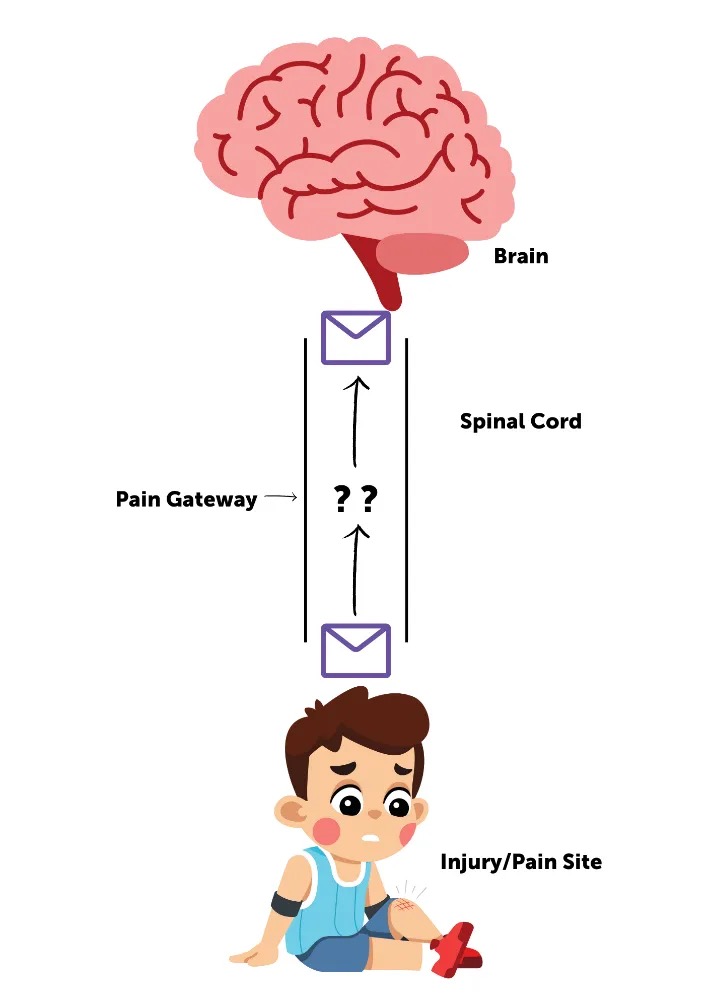
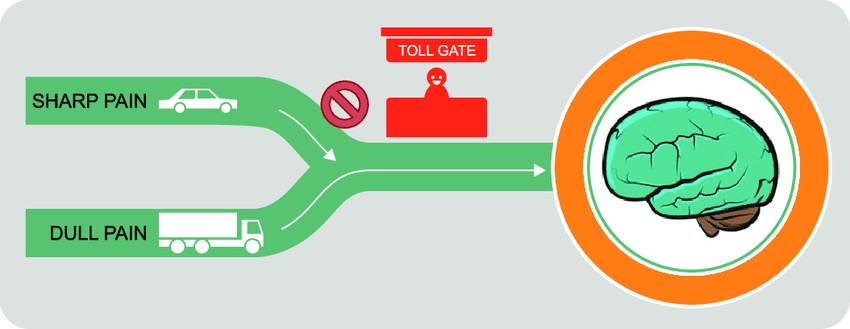
This is where a really useful concept comes in: Pain Gate Theory.
Pain Gate Theory (in plain English)
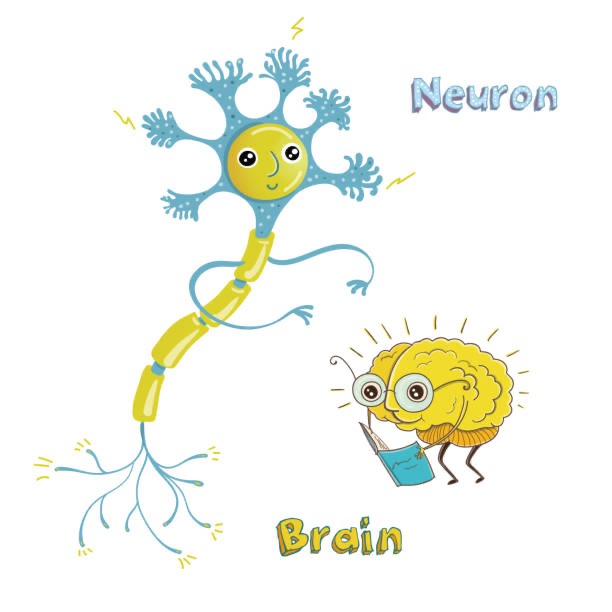
Your nervous system has a sort of “volume control” for pain signals. These signals travel from the body to the brain, but they pass through a gate in the spinal cord on the way.
That gate can be:
· Opened wider by things like stress, fear, fatigue, poor sleep, and past injury experiences
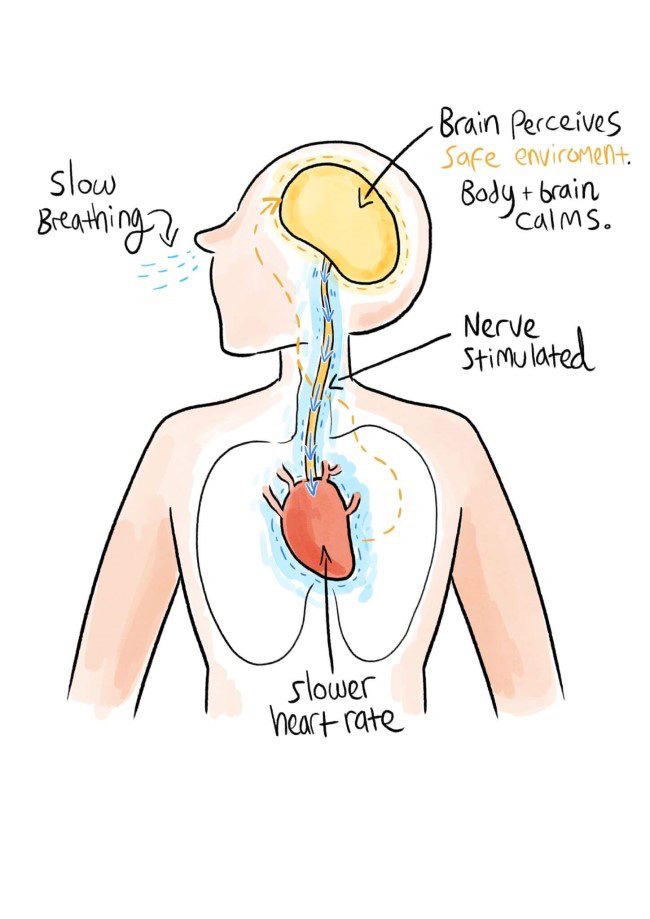
· Closed down by movement, touch, reassurance, breathing, and feeling safe and confident in your body
This helps explain why:
· Pain can feel worse when you’re stressed or exhausted
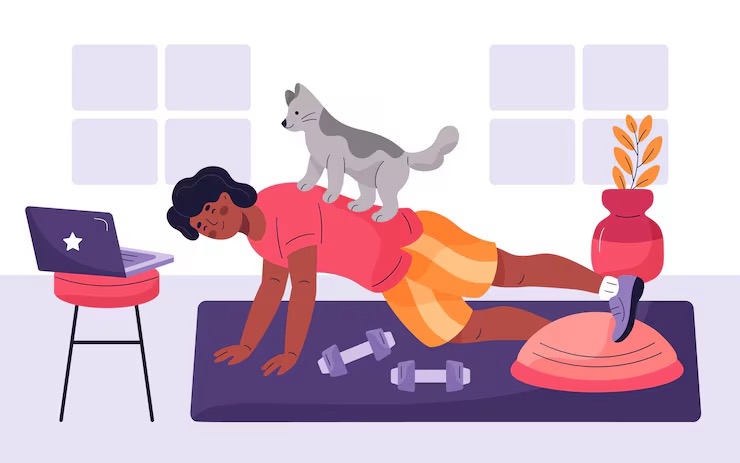
· Gentle movement can ease pain, even when nothing is being “fixed” structurally
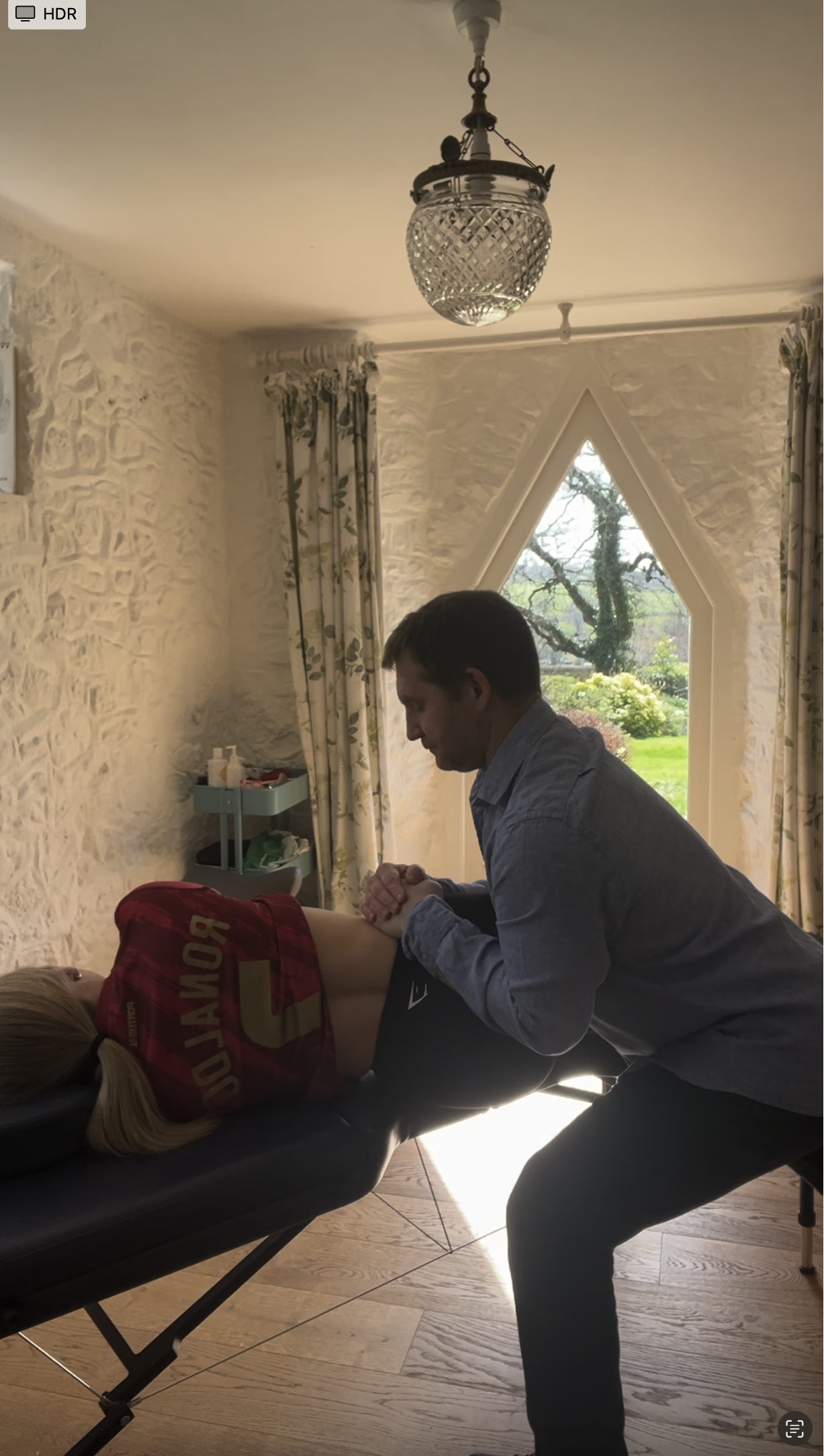
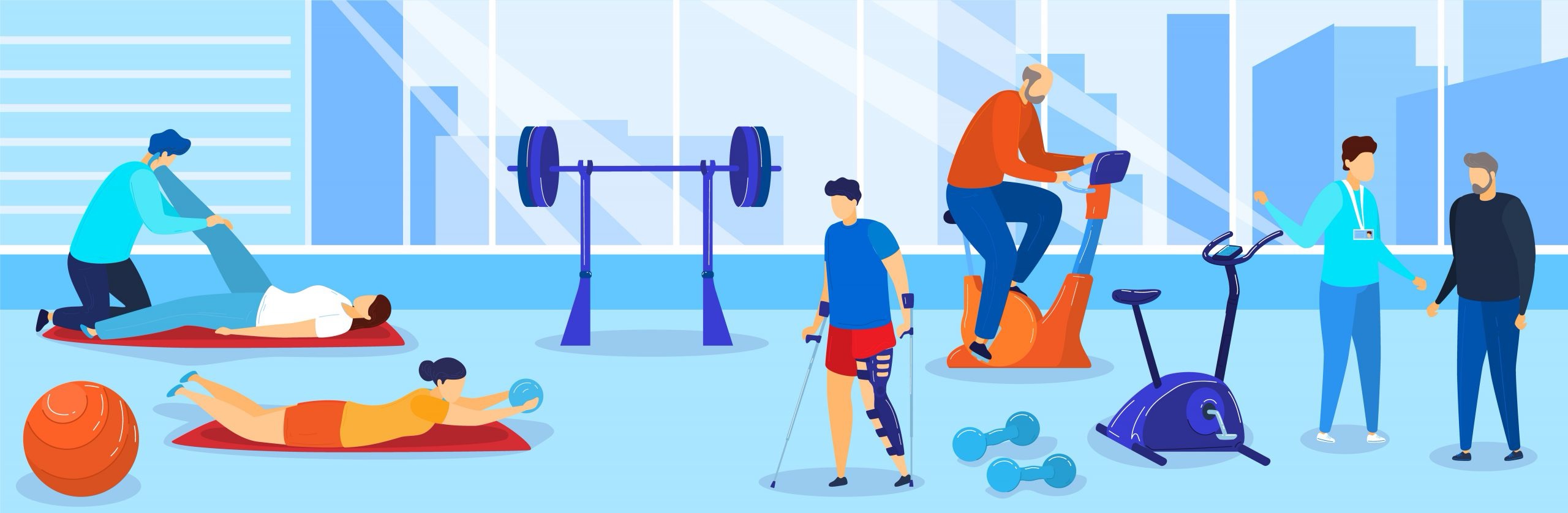
· Hands-on treatment, exercise, and education often work best together
Pain isn’t just about tissues — it’s about how the nervous system is interpreting what’s going on.
Why this matters for recovery
If we only chase symptoms (massage here, stretch there), we often miss the bigger picture. Lasting improvement usually comes from:
· Gradually restoring movement and strength
· Improving how well your body tolerates load
· Reducing threat and building confidence in the nervous system
This is why rehab isn’t about pushing through pain — but it’s also not about avoiding movement completely.
A simple self-check
Ask yourself:
· Does my pain change with stress, poor sleep, or busy weeks?
· Does it ease once I get moving?
· Has this area “never quite been right” since an old injury?
If the answer is yes to any of these, there’s likely more going on than just a tight muscle.
The takeaway
Pain doesn’t always mean you’re broken.
It means your body is asking for the right kind of input.
If pain keeps coming back or feels stuck in a loop, a more complete approach — combining hands-on treatment, movement, and education — can make all the difference.
If you’d like help understanding why your pain is there and what to do about it, feel free to get in touch or book an appointment.
Until next time,
Tom
Helping you move better, feel stronger, and get back to doing what you enjoy.