Office Posture Myths
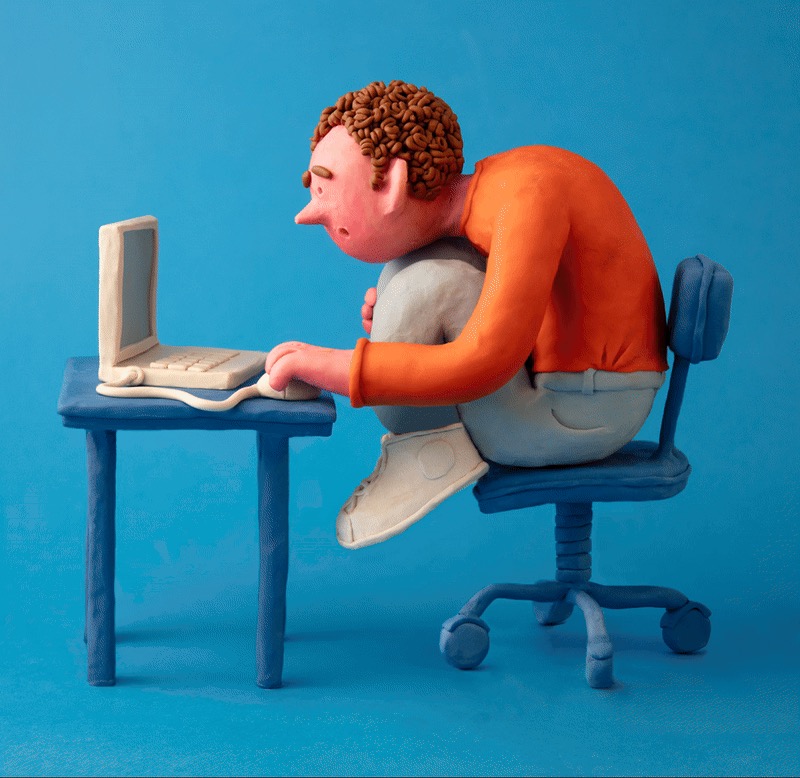
| Office Posture Myths: What Really Matters for Your Back and Neck |
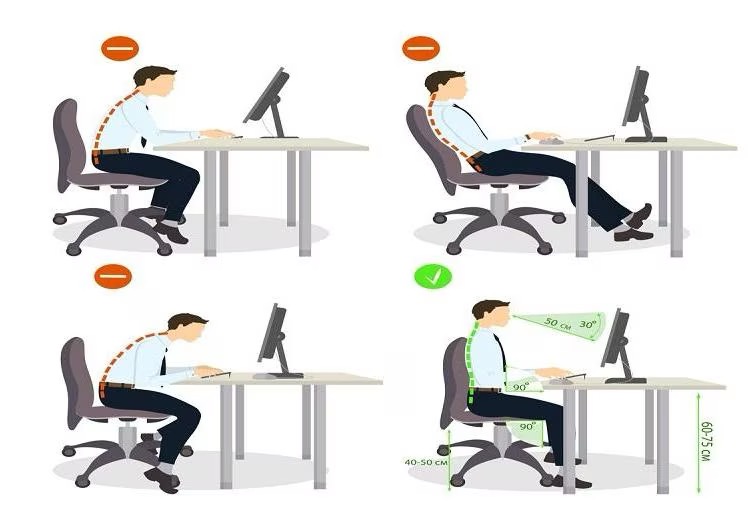
If you spend long hours at a desk, you’ve probably been told to “sit up straight,” “fix your posture,” or “keep your shoulders back.”
While posture feels important, most of the common advice is oversimplified — and often unhelpful.
The truth is clearer, kinder, and far more empowering:
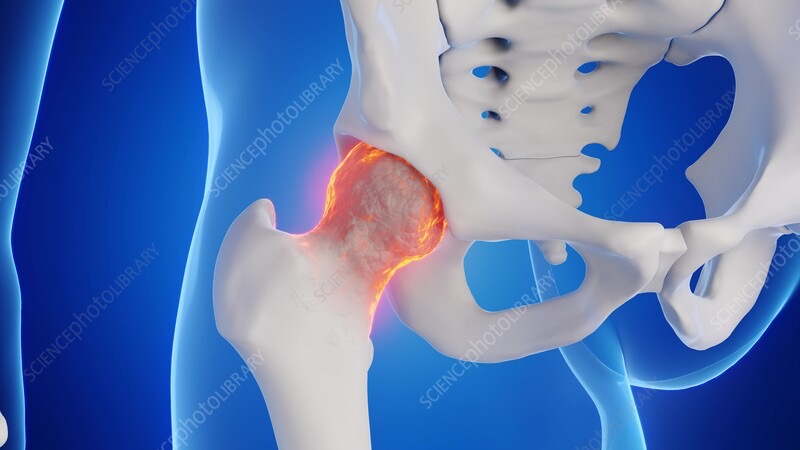
Your body isn’t fragile, your posture doesn’t need to be perfect, and pain from desk work is usually about movement, not alignment. Take a look at what tools a spinal surgeon requires to genuinely realign a spine to understand how sitting at a desk isn’t always the bad posture it is often blamed for.
Here’s what actually matters.
Myth 1: “Bad Posture Causes Pain”
This is one of the most persistent beliefs, but research consistently shows that there is no single perfect posture, and “bad” posture alone does not reliably predict pain.
People with great posture can still have pain.
People with “terrible” posture can feel absolutely fine.
Why?
Because your body adapts incredibly well — but it doesn’t like staying still. Don’t let your couch become your coffin, become confident moving and thriving with movement.

Myth 2: “Sitting Straight Stops Back and Neck Pain”
Trying to hold yourself bolt upright all day often creates more tension, not less. Over-correcting can cause:
· Upper back fatigue
· Neck stiffness
· Shoulder blade discomfort
· Overactivation of the traps
· Increased awareness of pain
Rigid posture is just another version of stillness — and stillness for too long is the real issue.
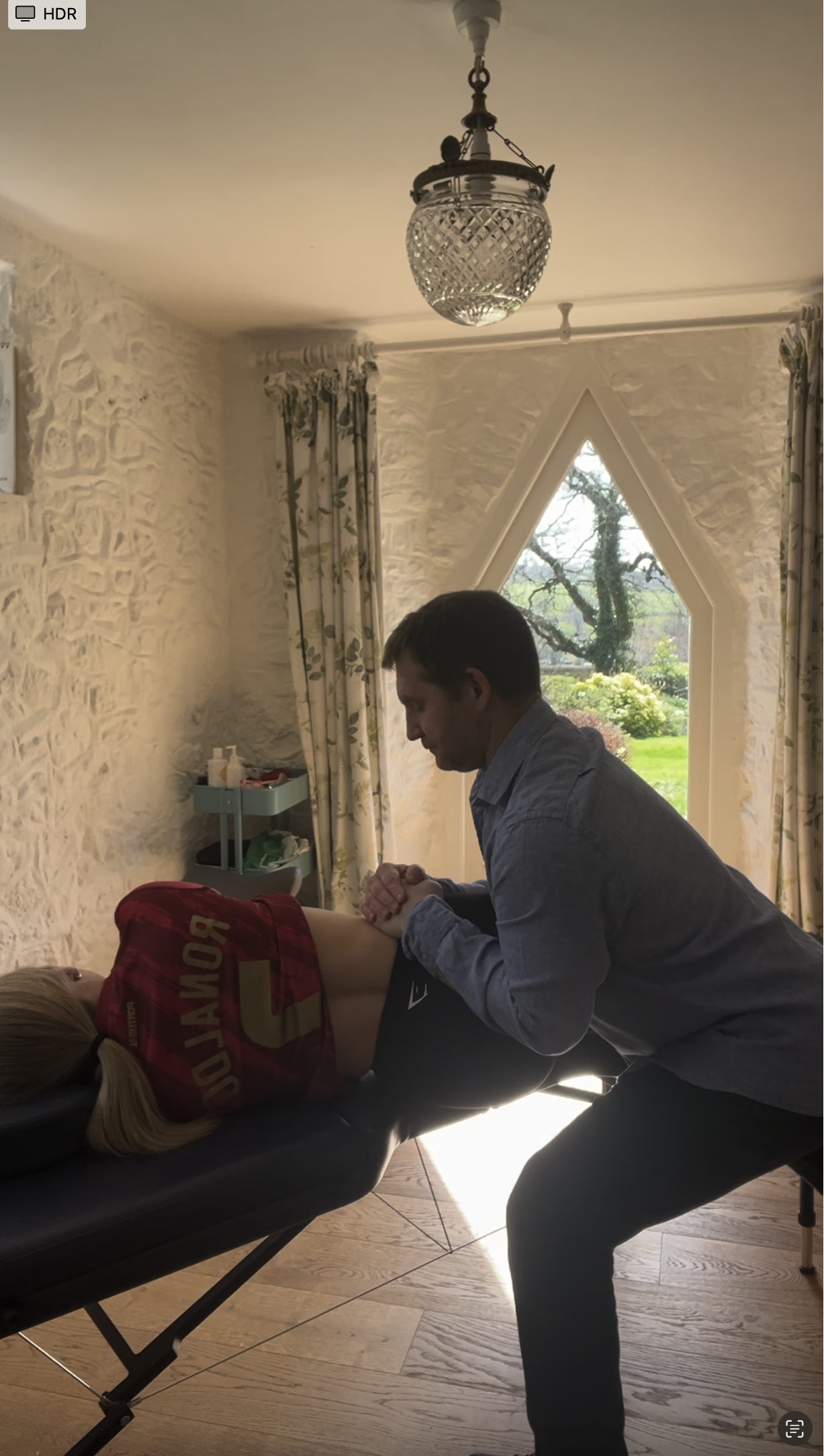
Without an assessment of what could be causing the roundedness, you might not be addressing the issue of “posture”; hint the pec minor is likely held in a shortened and strong position, lengthening and weakening their antagonist – the rhomboids; treating pec minor is the key.
What Really Causes Most Office-Related Pain
Desk pain is usually a result of:
· Low movement frequency
· Muscle fatigue, not weakness
· Reduced scapular control
· Stress-driven nervous system sensitivity
· Positions held for too long
· Low pulling strength, especially around the mid-back
This is why quick breaks help more than forcing yourself into a “perfect posture.”
Have you considered the 20/ 20/ 20 rule: every 20 minutes, look up at something at least 20 feet away for 20 seconds to work some divergence of the eye muscles.

Movement > Posture
Your body thrives on variety.
Instead of chasing one ideal position, aim for lots of different ones.
Small changes go a long way:
· Sit tall for a bit
· Slouch for a bit
· Lean on one arm
· Change seat height
· Stand for 10 minutes
· Reset your shoulder blades
· Change again
Every new position gives fatigued tissues a break and resets your nervous system’s sense of safety.
Strength Also Matters — Especially Around the Shoulder Blades
Many office workers develop upper-back or rhomboid discomfort because their pulling strength isn’t keeping up with the demands of the day. However, if the handbrake is still on, it doesn’t matter how much you rev the engine, the car might not go forward – same for lots of pulling based exercises you might try for posture – if the pec minor is acting like a handbrake, the results might not be as effective or long lasting.
Your scapulae need:
· Control
· Endurance
· Healthy retraction capacity
· Freedom to glide
This is where pulling exercises shine — such as rows, banded face pulls, and shoulder blade slides as well as working on stretching pec minor first.
A stronger, more confident upper back tolerates desk life far better.
| Simple Office-Friendly Reset: The 20-Second Scapular Refresh Every couple of hours: 1. Let your shoulders fully relax. 2. Slowly glide them up, then back, then down. 3. Gently squeeze the shoulder blades together (20–30% effort). 4. Release and return to a comfortable position. This isn’t about “correcting” posture — it’s about restoring movement. Self-Check: Is Your Desk Setup Limiting Movement? Ask yourself: Do I stay in the same position for more than 45 minutes?· Do I feel relief when I stand up or move around?· Do my shoulders or mid-back feel “tired” rather than sharp or acute? If “yes,” you’re likely dealing with movement fatigue, not structural damage. When Is It Worth Getting Help? Consider a professional assessment if:· Pain lasts more than 2–3 weeks· You get repeated flare-ups· Your desk work limits daily activities· You feel one-sided neck or shoulder pain· You’re unsure whether muscle tightness or scapular control is driving your symptomsA structured approach — including soft tissue therapy, mobility work and retraction-based strength — can make a huge difference. |
| If desk-based pain is disrupting your work or training, I can help you reduce symptoms, restore movement confidence, and build a stronger, more resilient upper back. |