Why your Nervous System might be the missing link in recovery
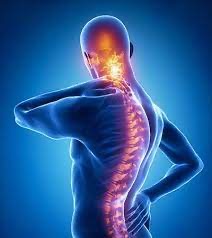
When most people think about recovery, they picture muscles, joints, and maybe a bit of stretching. But in reality, one of the biggest drivers of pain, movement quality and long-term progress is your nervous system. It decides what feels safe, what feels threatening, and how much range of motion or strength your body will actually allow.
If you’re dealing with persistent pain, slow progress, or an injury that never quite settles, it’s often not the tissue that’s holding you back — it’s the system interpreting the tissue.

Your Nervous System Controls Your Movement — Not Your Muscles Alone
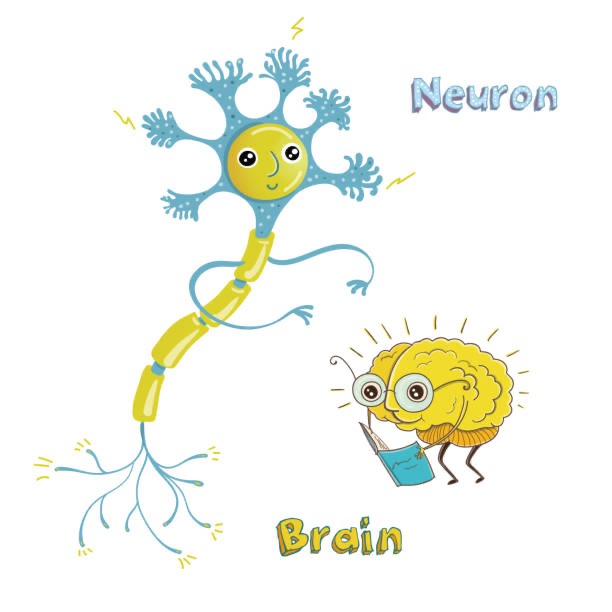
Muscles don’t act on their own. They respond to messages from the brain and spinal cord. When your nervous system feels confident and safe, it allows smooth, powerful, pain-free movement. Without these signals, they do not contract.
But when the brain senses threat — from stress, poor sleep, previous injury, or unfamiliar movement patterns — it can respond by:
· Tightening muscles
· Reducing mobility
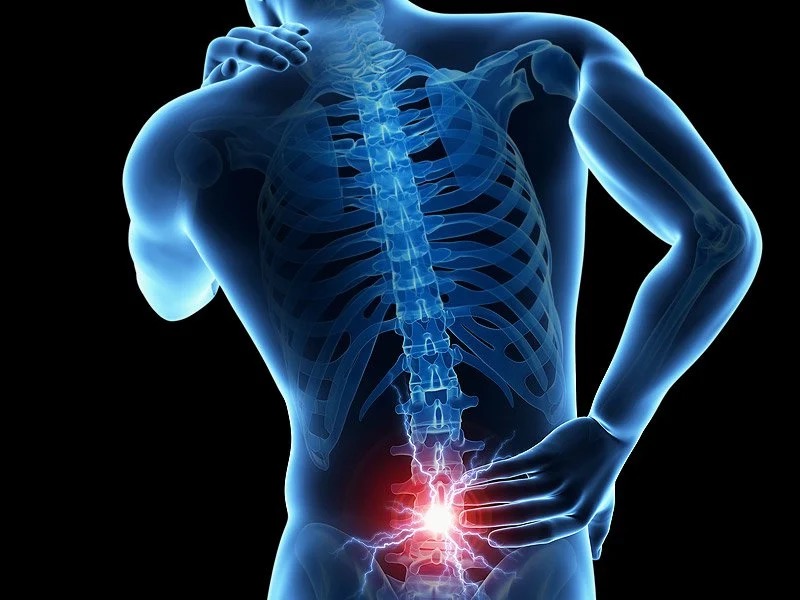
· Increasing pain sensitivity
· Limiting strength output
· Guarding or bracing
This isn’t “weakness” or “bad posture.”
It’s a protective response.
And this is why techniques that target only the muscles sometimes fall short — because they’re not addressing the system in charge.
| How Threat Affects PainPain is a message, not a measurement of damage. Your nervous system uses pain as a protective signal, especially when it perceives:· Unpredictable movement· Lack of strength or control in a certain range· Stress or fatigue· Old injury memories· Limited movement variability· Inconsistent training volume· Blurry “maps” of input from the visual, vestibular and proprioceptive systemsThis is why pain often appears without a new injury, why it lingers during busy work weeks, or why certain movements feel “unsafe” even though scans are clear.By improving nervous system confidence, pain often reduces — even before tissues change. |

Simple Ways to Support Your Nervous System
Here are a few tools/ drills you can try at home:
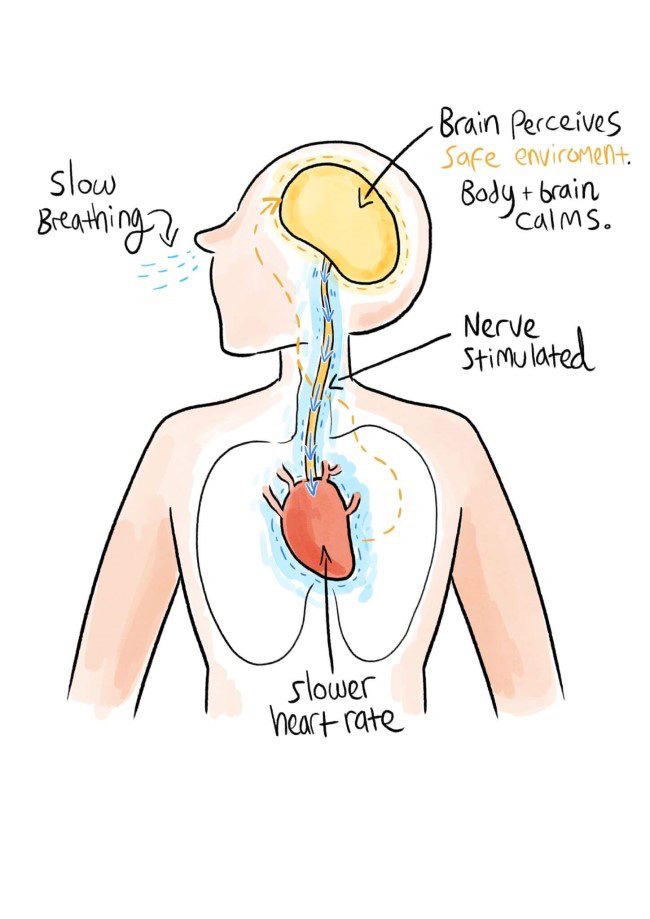
1. Breathing Work for Downregulation
Slow alternate nasal breathing helps calm the sympathetic (fight-or-flight) system.
Try 2-3 second inhale, 6-8 second exhale for 2 minutes.
2. Controlled Movement Variability
Gentle exploration of new ranges tells the brain:
“Nothing dangerous is happening.”
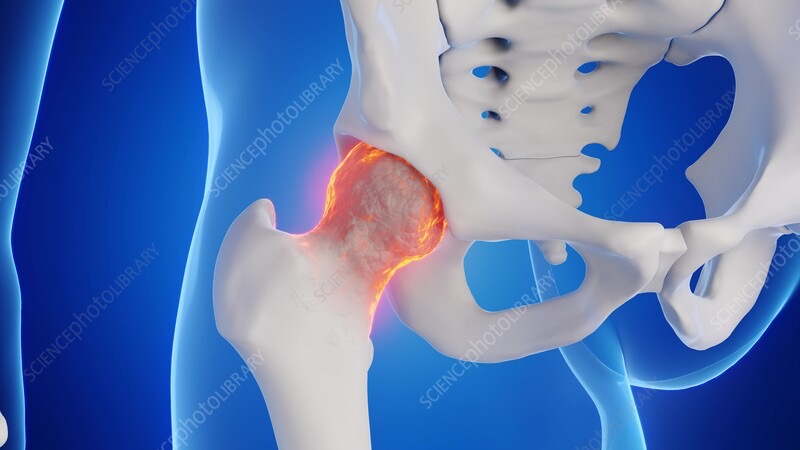
This could be light thoracic rotation, shoulder blade slides, hip mobility in the 90-90 position or ranges explored during treatments.
3. Strength in Safe Ranges
Loading movements you can do builds trust and reduces guarding.
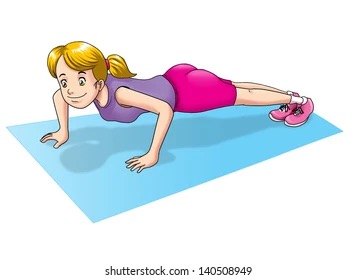
Pain-free rows, split squats, or press-ups often work well.
4. Reduce the “Threat Stack”
Simple lifestyle wins help nervous system resilience:
· Drink water regularly, consider electrolyte input
· Aim for a consistent sleep routine
· Avoid long periods of stillness
· Move frequently, not perfectly
Small changes compound quickly.
Self-Check: “Is My Nervous System Guarding?”
Try this quick test:
1. Perform a gentle movement that feels slightly stiff — e.g., looking over your shoulder, raising your arm or a forward fold = try to touch your toes
Pause, take slow alternate nasal breaths, 2-3 second inhale, 6-8 second exhale for 2 minutes.
2. Reassess the movement
If the second attempt feels smoother, safer, or slightly freer, it’s a good sign your nervous system was guarding — not that something was “damaged.”
When Should You Get Help?
A professional assessment is useful when:
· Pain keeps returning
· You’ve stopped training out of fear
· You feel stuck in progress
· You’ve had an injury that changed how you move
· You’re unsure what your body is trying to tell you
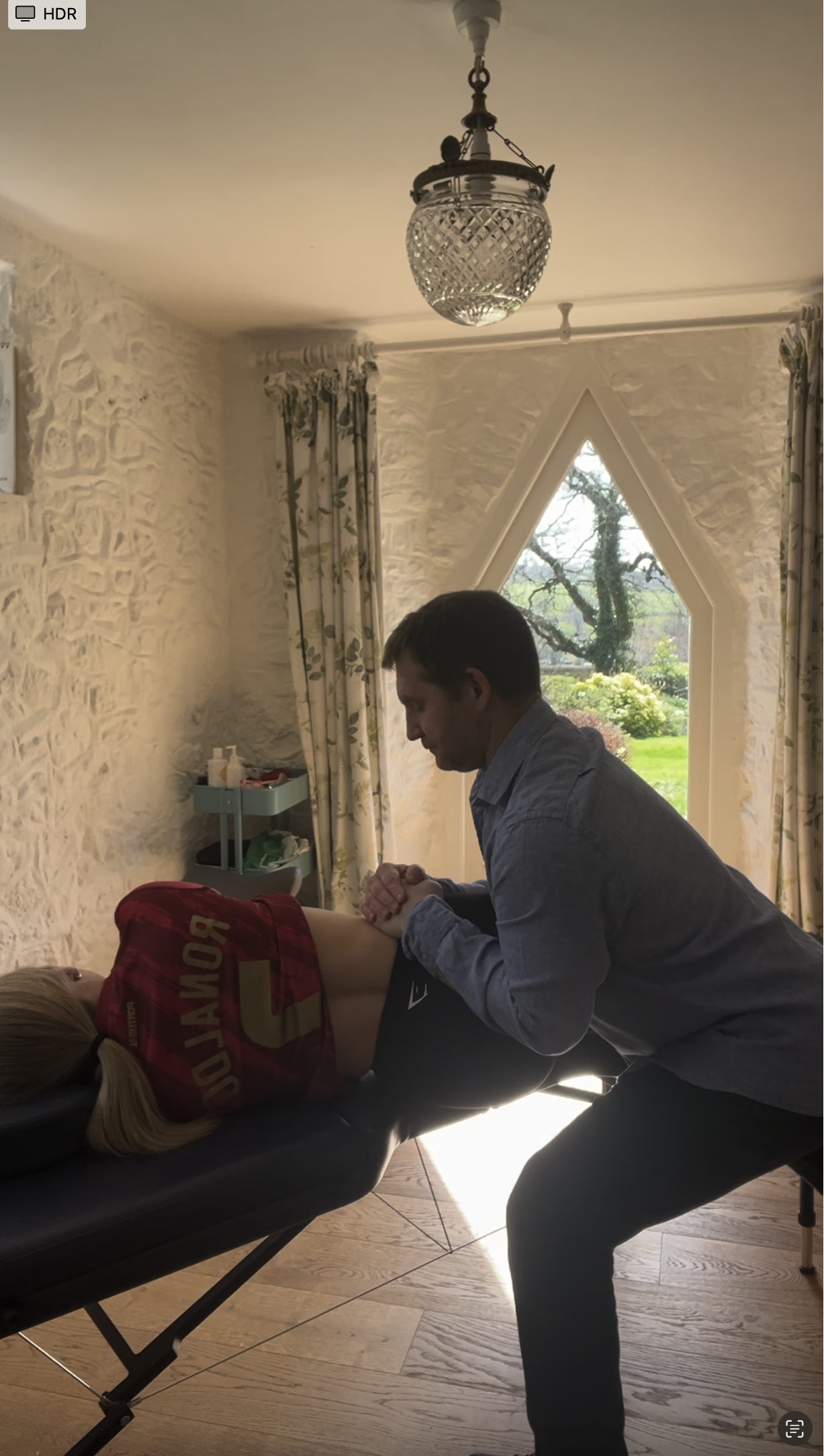
This is exactly where sports therapy and a brain-based rehab approach can make a big difference.