Why Recovery is more than rest
| Why recovery is more than rest: A practical guide |
Training stimulates your body to get stronger, fitter, and more resilient — but the real progress happens between your sessions. Recovery isn’t simply “taking a day off.” It’s an active process that allows your muscles, nervous system, and connective tissues to adapt so you can consistently train without sliding into fatigue, stiffness, or injury. This newsletter breaks down what a truly effective recovery day looks like and how you can build it into your weekly routine.
If you train regularly—whether you’re an athlete, a committed gym-goer, or someone rebuilding strength after pain—your recovery days matter just as much as your training days. Most people think “recovery” simply means taking a day off, but effective recovery is a strategic part of training. It’s the period when your body repairs tissue, restores energy, and adapts to the stress you’ve placed on it. Without planned recovery, even the best training programme will eventually hit a wall.
1. Active Recovery: Keep Moving, Don’t Stop
Full rest can be useful, but for most people, active recovery works better. This might include:
· Light mobility work
· Walking
· Cycling at an easy pace
· Gentle stretching
· Low-level breathwork to down-regulate the nervous system
These activities increase blood flow, help remove waste products, and reduce muscle stiffness without adding extra stress to the system.
A good recovery day keeps you moving, but at a lower intensity. Light walking, gentle mobility work, and easy cycling all help flush metabolic by-products, promote circulation, and maintain range of motion. For office workers especially, this is a chance to counteract long periods of static posture. For athletes, it’s a deliberate strategy to reduce cumulative stiffness and maintain technical quality session to session.

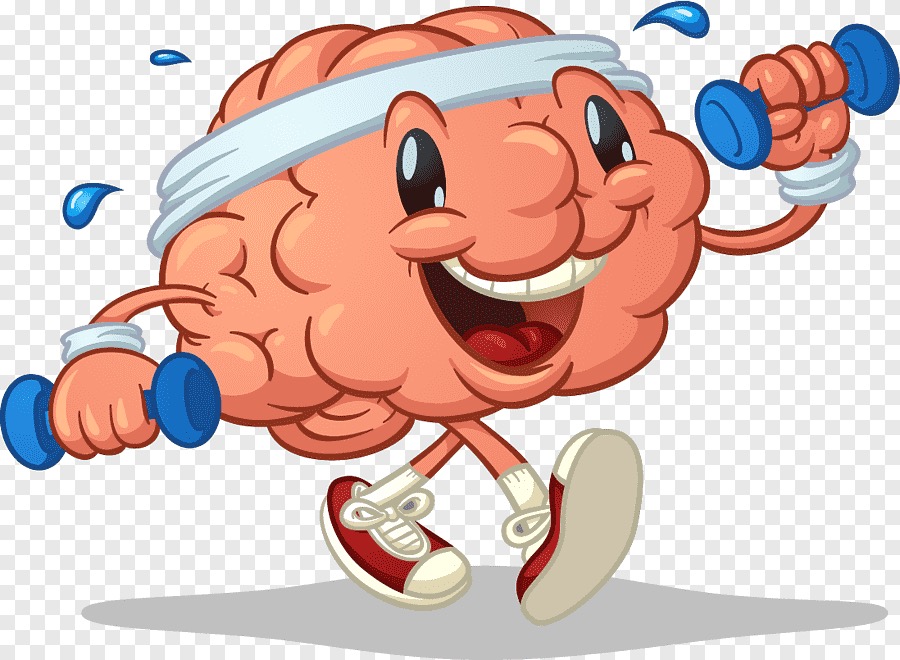
2. Nervous System Reset: Don’t Overlook the Brain
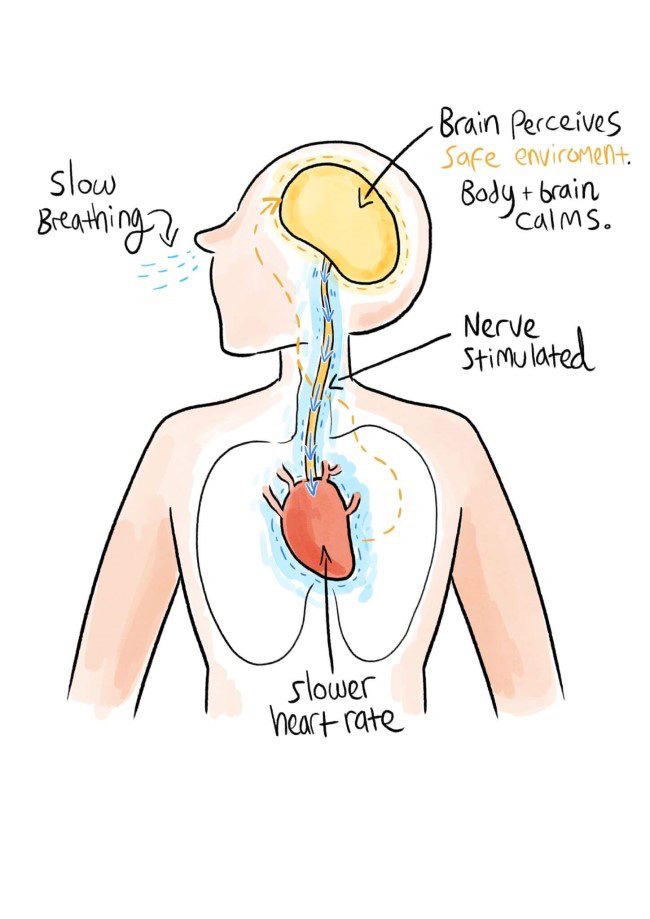
Your recovery isn’t just muscular—it’s neurological. High-intensity training increases sympathetic drive (your “fight or flight” system). A recovery day is the ideal chance to shift into a parasympathetic state (“rest and digest”).
Techniques include:
· Diaphragmatic breathing
· Long alternate nostril inhalations and exhalations
· Box breathing
· Gentle meditation or somatic awareness
This helps the body return to baseline and improves how well you perform the next time you train.
3. High-Protein Nutrition for Repair
Every hard training session creates small micro-tears within muscle fibres. This is a normal and necessary part of the adaptation process — but your body can only repair those tissues if it has the raw materials available. A recovery day is an ideal opportunity to increase high-quality protein intake, giving the body the amino acids it needs for muscle rebuilding. Aim to distribute protein evenly through the day, including sources like lean meats, dairy, eggs, tofu, pulses, and whey if tolerated. Pairing protein with fruit or complex carbohydrates can also support glycogen restoration, ensuring you’re fuelled for your next session.

4. Hydration & Tissue Quality
Hydration is essential for maintaining healthy soft tissue, supporting nutrient transport and reducing muscle soreness. Most people walk around mildly dehydrated, which makes recovery feel sluggish.
Tips:
· Sip water throughout the day
· Add electrolytes if you’ve sweated heavily
· Use gentle mobility work to keep tissues hydrated and pliable
Combine hydration with a few minutes of targeted self-massage (e.g., quads, calves, glutes) to maintain tissue quality and reduce next-day stiffness. This doesn’t replace hands-on therapy, but it’s a great bridge between sessions.

5. Sleep: The Ultimate Recovery Tool
Sleep is where the biggest adaptations occur. Deep sleep boosts hormonal recovery, tissue repair and memory consolidation (including motor learning associated with your training).
Aim for:
· 7–9 hours
· A consistent wake and sleep time
· A cool, dark room
· Screen-free wind-down for 30–60 minutes before bed
A Simple Self-Check for Your Next Recovery Day
Ask yourself at the end of the day:
“Do I feel looser, calmer, and more energised than I did this morning?”
If not, you may need more movement, better nutrition, or improved sleep hygiene. Recovery should leave you feeling better — not simply rested.
Ready to Recover Smarter?
If you want help building a recovery routine personalised to your training, occupation, or pain history, I’d be happy to guide you.
👉 Click the link to book an appointment or message me directly to get started. https://www.springbackrehabilitation.co.uk/booking-system/📍
📞 Or drop me a message on Instagram @springbackrehab https://www.instagram.com/springback_rehabilitation/
Ready to Move Better?
Let’s get you back to your best—pain-free and powerful.
Thank you for taking the time to read this and I look forward to seeing you soon, wishing well in all your health.
Tom