Why Does Pain Come Back? Understanding Flare-Ups Without Fearing Them

Have you ever been making really good progress with an injury or persistent pain, only to wake up one morning and suddenly feel like you’re back at square one?
Your back starts aching again.
That knee you thought was improving suddenly complains.
Your shoulder feels uncomfortable after weeks of feeling great.
And almost immediately, the questions start:
“What have I done?”
“Have I injured it again?”
“Has all that rehabilitation been for nothing?”
It’s completely understandable to think that way.
But here’s something I regularly explain to clients:
A flare-up of pain doesn’t necessarily mean you’ve caused new damage. And it certainly doesn’t mean you’ve failed.
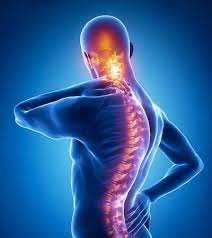
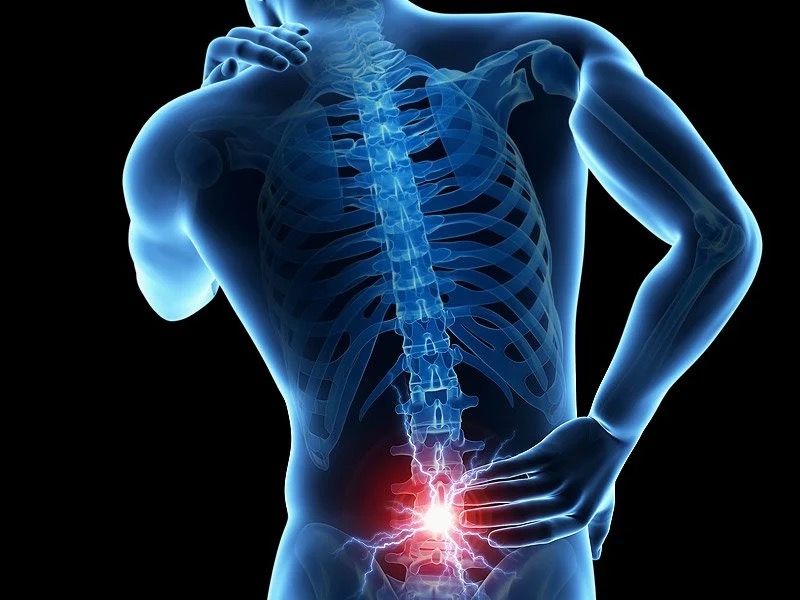
Pain isn’t always a measure of damage
It’s very tempting to think of pain like a warning light.
More pain = more damage.
Less pain = everything is healed.
Unfortunately, the human body is considerably more complicated than that.
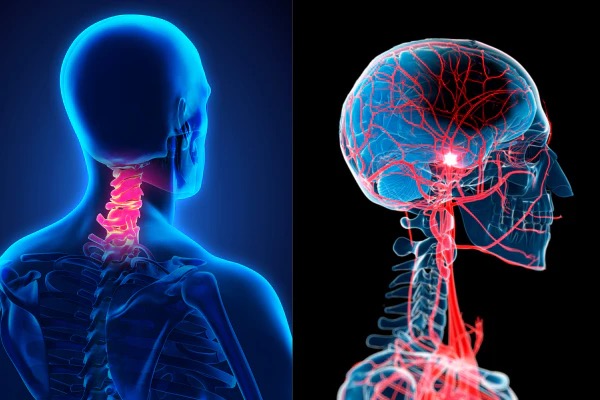
Pain is a protective experience involving your brain and nervous system. Of course, tissue injury can contribute to pain, particularly following an acute injury, but it isn’t the only thing capable of influencing how you feel.
Your symptoms can potentially change depending on many things happening around you.
Have you suddenly increased your training?
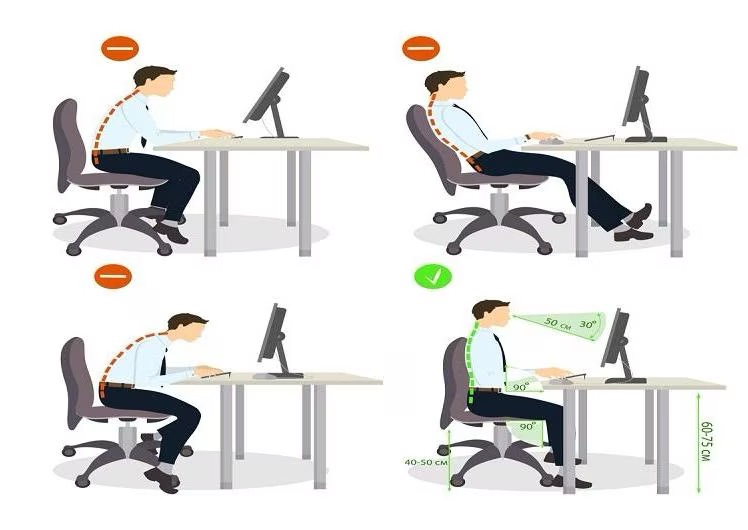
Have you spent several long days sitting at a desk?
Have you been sleeping badly?
Are you under more stress than usual?
Have you stopped doing the exercises that were helping?
Have you done considerably more—or considerably less—than your body has recently become accustomed to?
Sometimes the answer isn’t one thing.
It’s a combination.
Think about your body’s capacity
One way I like to think about this is in terms of capacity versus demand.
Imagine your body currently has the capacity to comfortably tolerate a certain amount of activity.
Your normal week might include work, walking, training, gardening and everything else life throws at you.
Most of the time, your body copes perfectly well.
Then something changes.
Perhaps you haven’t run for three weeks and decide to go straight back to your old distance.
Maybe you spend an entire weekend gardening.
Perhaps work becomes incredibly busy at exactly the same time you’re sleeping poorly and still trying to train at your normal intensity.
Individually, none of those things necessarily causes a problem.
But collectively, the demand may temporarily exceed your current capacity.
And your body may respond.
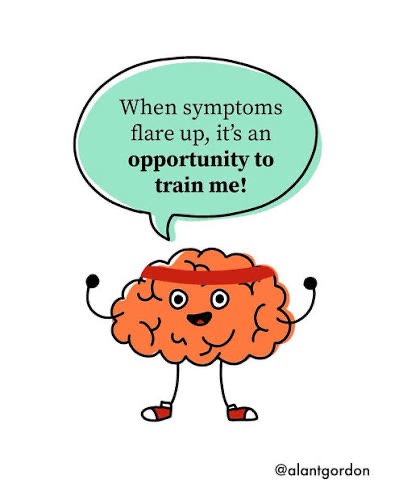
Then the nervous system gets involved
This is where things become particularly interesting to me.
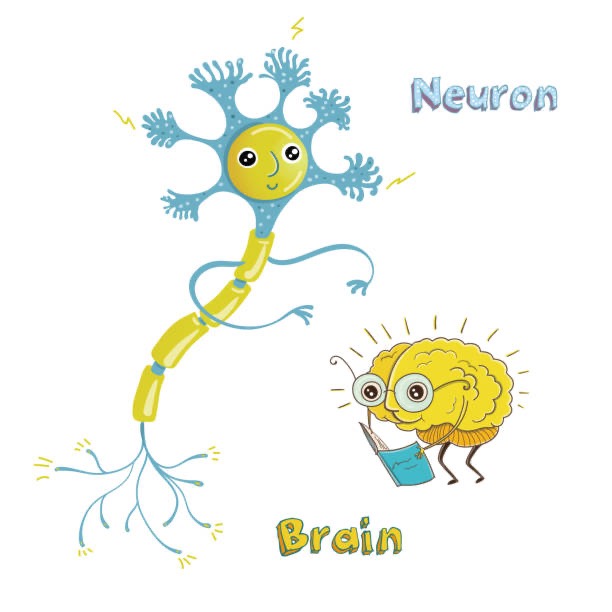
Your nervous system is constantly processing information from both inside and outside your body.
It’s helping determine where you are in space, what’s happening around you and whether something might require a protective response.
If you’ve previously experienced significant pain, your nervous system also has that history.
So when symptoms return, it’s very easy to become apprehensive.
You feel your back.
You test it.
You move again to see whether it still hurts.
You start avoiding things.
You become increasingly aware of every little sensation.
Before long, something that started as a relatively minor flare-up can feel much more significant.
That’s why one of the most important parts of rehabilitation can be helping somebody understand what they’re experiencing, rather than simply telling them which exercise to perform.
So what should you do during a flare-up?
The first thing is:
Don’t panic.
A painful day doesn’t automatically mean you’ve damaged yourself again.
If there has been a new injury, significant trauma, unexplained or severe symptoms, or something simply doesn’t feel right, then of course it should be appropriately assessed.
But for a familiar flare-up of an existing problem, completely stopping everything isn’t necessarily the answer either.
Instead, we can often adjust rather than abandon.
If your normal exercise feels too much, reduce the load.
If your normal walking distance aggravates things, temporarily shorten it.
If a particular movement is uncomfortable, explore a range that feels more manageable.
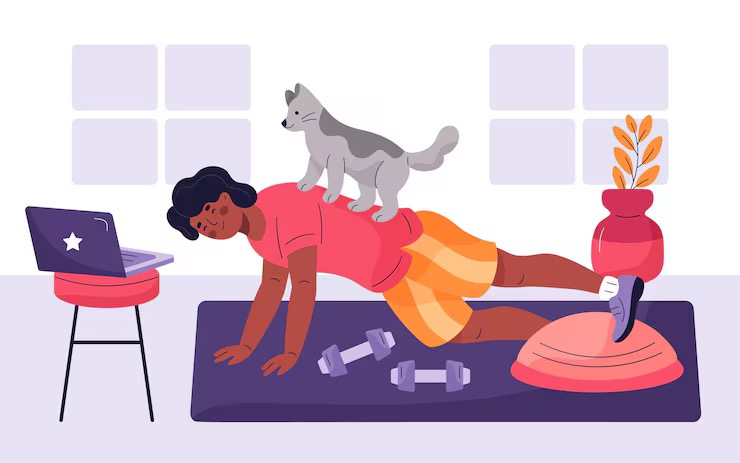
Keep moving where appropriate.
Then, as things settle, gradually begin increasing the challenge again.
The aim isn’t to prove how tough you are by pushing through everything.
Nor is it to become frightened of movement.
It’s about finding an appropriate level of activity that your body can currently tolerate and building from there.
Sometimes we need to turn the volume down
This is also where some of the nervous-system work I use at Springback can become useful.
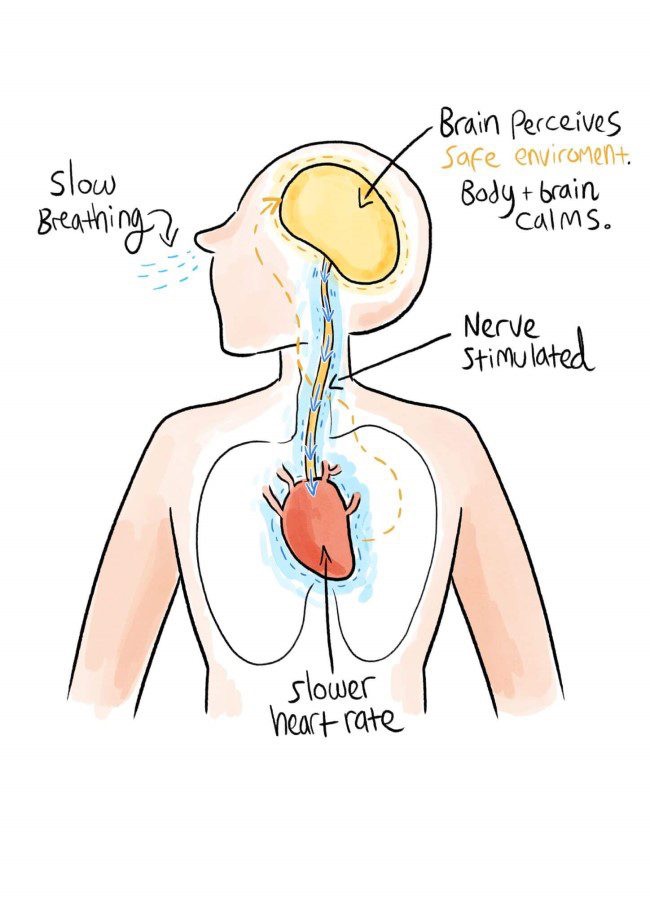
Sometimes before asking the body to do more, we need to help it feel a little safer.
That might involve slowing the breathing.
Changing the way we’re breathing.
Becoming more aware of what we’re actually feeling inside the body—something known as interoception.
It might involve simple movement, balance or neurological input depending on what we find during assessment.
The purpose isn’t to convince somebody that their pain is “all in their head”.
Far from it.
Pain is real.
We’re simply recognising that pain is influenced by far more than muscles, joints and tissues alone.
Rehabilitation isn’t a straight line
This might be the most important message in this newsletter.
We often imagine recovery looking something like this:
Injury → Treatment → Exercise → Better → Finished.
Real life rarely works quite so neatly.
Rehabilitation can look more like:
Progress → Progress → Flare-up → Adjust → Progress → Confidence → More Progress.
And that’s okay.
One difficult week doesn’t necessarily mean you’re back at the beginning.
In fact, learning how to manage a flare-up can itself become an important part of rehabilitation.
Instead of thinking:
“My back has gone again.”
I’d much rather somebody eventually develops the confidence to think:
“I’ve experienced this before. I know what I need to do.”
That’s a very different relationship with your body.
From managing pain to building confidence
This brings us back to something I’ve spoken about before.
Good rehabilitation shouldn’t only aim to reduce pain.
It should help you develop the capacity and confidence to live your life.
That means progressively returning to movement.
Building strength.
Improving fitness.
Increasing tolerance to load.
And, importantly, learning that the occasional setback doesn’t have to mean starting again.
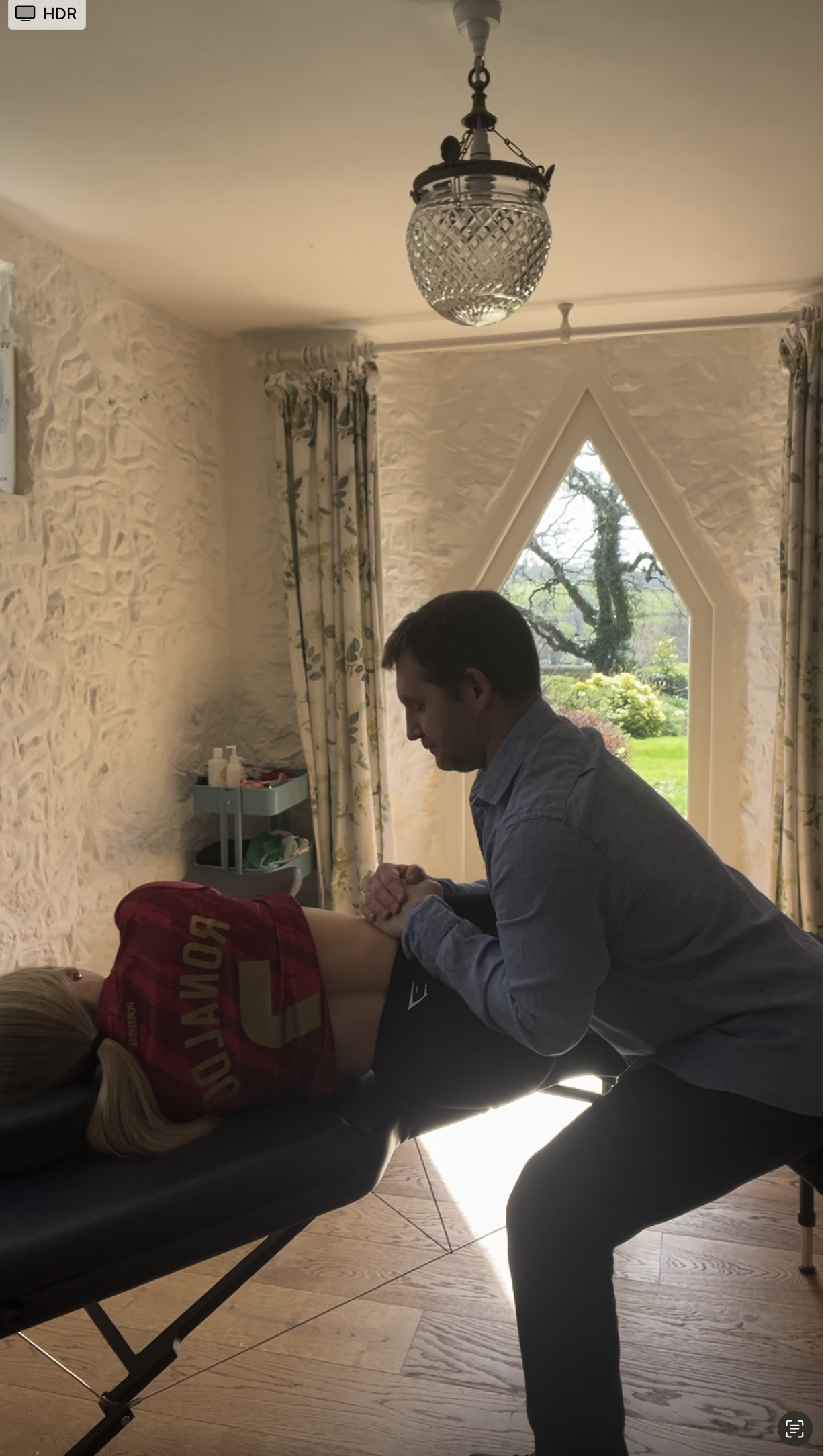
At Springback, that’s why I want rehabilitation to extend beyond the treatment table.
Hands-on treatment can absolutely have its place.
But ultimately, I want you to become less reliant on me—not more.
I want you to understand your body, know how to respond when something doesn’t feel quite right and have the confidence to keep moving forward.
Because rehabilitation isn’t about creating a body that never experiences another ache or pain.
It’s about creating a body—and a mindset—that is better equipped to deal with life’s demands.
So if you’re currently experiencing a flare-up, remember:
Take stock. Adjust what needs adjusting. Keep moving where appropriate. And then gradually build again.
Most importantly:
A bad day doesn’t erase all the good days that came before it.
If recurring pain or repeated flare-ups are stopping you from doing the things you enjoy, we can look at what’s happening, what may be contributing to it, and how we can progressively build your movement, strength and confidence again.
Until next time,
Tom
Springback Rehabilitation