Using strength training to move confidently after back pain

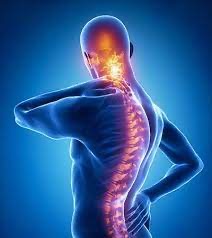
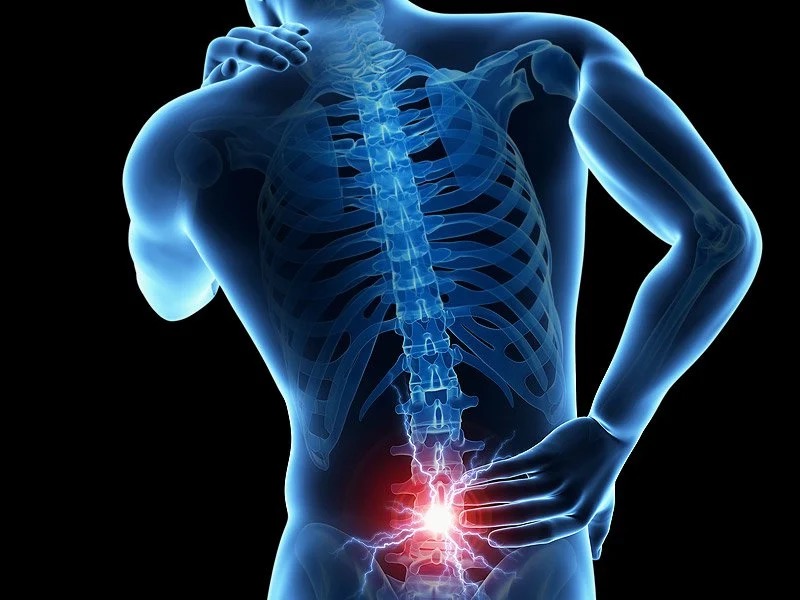
One of the biggest challenges people face after an episode of lower back pain isn’t the pain itself — it’s the loss of confidence in movement and getting back to “normality” including confidence with strength training/ exercise routines.
Clients often tell me:
· “I’m scared to bend again.”
· “What if it flares up when I lift something heavy?”
· “My back feels fragile now.
This fear is completely understandable…
but it’s also one of the key reasons back pain lingers.
The most effective way to rebuild confidence?
Strength training with a neuro twist
Not bodybuilding. Not powerlifting.
Just the right strength, in the right places, at the right pace with the right brain based wiring.
Why Strength Training Helps You Recover
Strength training isn’t just about making muscles bigger. It changes the way your brain and body handle movement.
Here’s how:
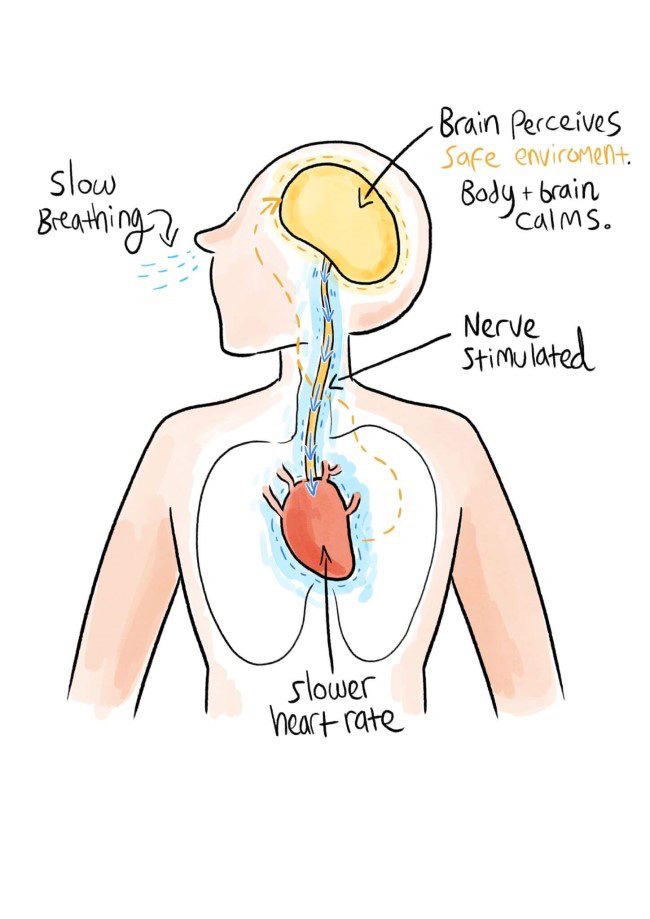
1. It teaches your nervous system that movement is safe again
After back pain, the nervous system becomes protective. It may tighten muscles, restrict movement, and increase sensitivity.
Strength training provides clear, controlled input that says:
“This movement is safe. You’re allowed to do this.”
Over time, fear reduces and confidence grows.
2. It improves load tolerance
Your spine loves load — when it’s introduced gradually and intelligently.
Lifting, pushing, pulling, and bracing all help the tissues adapt so they can handle more without complaint.
3. It builds coordination, not just muscle
Strength work trains:
· Glutes to stabilise
· Core muscles to brace
· Hips to move efficiently
· The back to support without overworking
This helps redistribute force through the whole body instead of the lower back doing everything and enhances the walking gait mechanics.
4. It replaces fear with capacity
Every strength session is a small physical proof of what your body can do.
Those little wins add up quickly. We are always working for that 1 pain free rep.

Common Fears — And Why They’re Normal
Many people hesitate to strength train after back pain because they fear:
· “I’ll make something worse.”
· “My back will spasm again.”
· “I don’t trust my core.”
These are completely valid feelings.
But avoiding movement often keeps the nervous system in its protective mode.
Gradual, well-coached strength work is one of the safest ways out of that cycle.
Where We Start in the Clinic
You don’t need heavy barbells or advanced gym sessions.
Early strength training for back recovery is simple, safe, and achievable for all ages and fitness levels.
Here are foundations I often use with clients:
1. Hip Hinge Training
Learning to bend without fear.
This is the base for lifting, gardening, picking things up, and daily life.
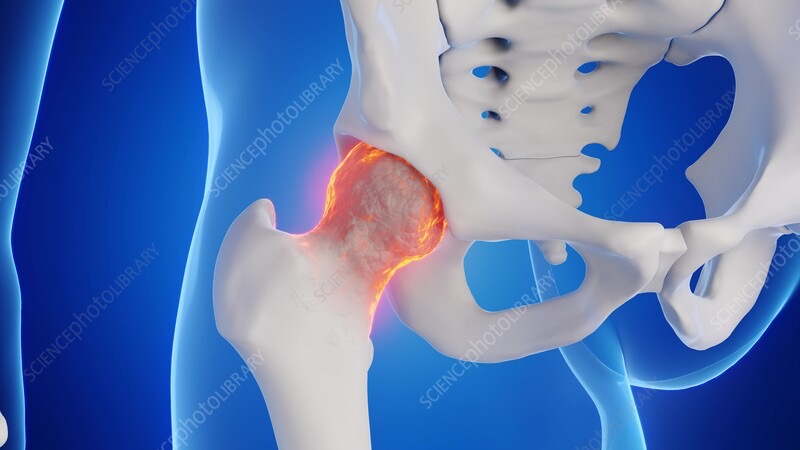
2. Glute Strengthening
When the glutes work well, the lower back doesn’t have to overwork.
Bridges, hip thrusts, step-ups — all excellent starting points.
3. Core Bracing and Anti-Rotation Work
Instead of old-school “back exercises,” we train the core to resist unwanted movement.
This builds stability and confidence, especially working the pelvis in rotation while the upper body stays still
4. Carrying Movements
Farmers carries and suitcase carries build whole-body strength and improve your ability to handle real-world loads as well as integrating the shoulder to pelvic link
5. Gradual Reloading of the Spine
Walking with load, light deadlifts, rows, pushing and pulling — introduced at the right pace — help you feel strong again.

A Brain-Based Reminder: You’re Not Fragile
Your spine is one of the most resilient structures in your body.
Strength training reinforces this message every time you lift, carry, or move with purpose.
Confidence comes back when your nervous system stops seeing everyday movement as a threat.
That’s what strength training gives you — safe exposure, repeated often, until your brain and body relax into movement again.
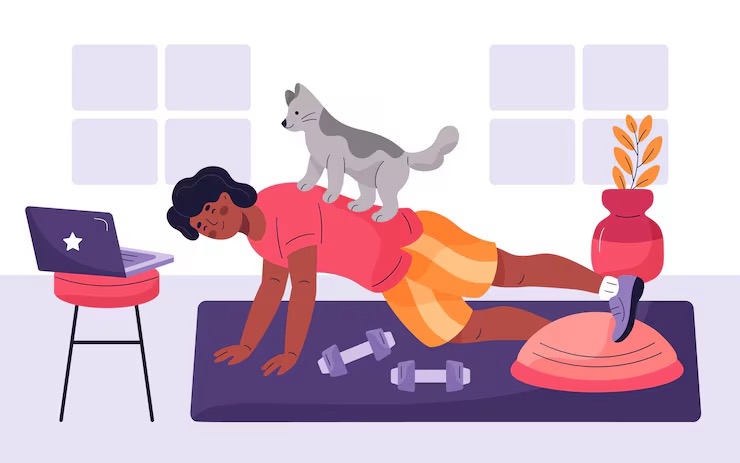
A Simple At-Home Strength Routine to Begin With
These are gentle but powerful starting points:
· Glute Bridge – 3 x 10, add in Angel floor press to
· Bird Dog – 3 x 8 each side
· Sit-to-Stand (controlled tempo) – 3 x 10
· Suitcase Carry (light weight) – 3 x 20–30 seconds each side
If any movement feels unsure, decrease the range or slow it down.
We build stability first, then strength, then confidence.

Ready to Feel Strong Again?
If you’ve been cautious, worried, or unsure how to start strengthening after back pain, I can guide you through a safe, structured programme tailored to your body.
Book a session and let’s rebuild your strength — and your confidence — step by step.
Catch Up on the Series
Part 1 – Approach to low back pain treatment https://www.springbackrehabilitation.co.uk/lower-back-pain/
Approach to low back treatment
Part 2 – Using hip mobility to treat lower back pain
https://www.springbackrehabilitation.co.uk/648-2/
Part 3 – Side bending and Rotation: Building confidence and strength through gentle side bending and rotational exercises. https://www.springbackrehabilitation.co.uk/restoring-side-bending-rotation-for-a-healthier-lower-back/
Part 4 – Breathing & the Nervous System: https://www.springbackrehabilitation.co.uk/lower-back-pain-breathing-and-the-nervous-system/
Final Thoughts
There’s no “one-size-fits-all” approach to any presenting injury, care and time is needed to listen and work like a therapy detective for the client. Every client is different, which is why I tailor each session to your needs, your goals, and how your body responds.
If you’re currently struggling with any injury and want to start moving forward again, I’d be happy to help.
👉 Click the link to book an appointment or message me directly to get started. https://www.springbackrehabilitation.co.uk/booking-system/📍
📞 Or drop me a message on Instagram @springbackrehab https://www.instagram.com/springback_rehabilitation/
Ready to Move Better?
Let’s get you back to your best—pain-free and powerful.
Thank you for taking the time to read this and I look forward to seeing you soon, wishing well in all your health.
Tom