The Warm up Part 2
Following on from the last Newsletter, today I wanted to introduce another example of a warm up that has been used widely to great success, especially during my time as a Physical Training Instructor in the Royal Marines, where time and space can both be limited but the highest of standards need to be met physically. At Spring Back Rehabilitation, we know that a warm-up is far more than a formality as discussed in the last newsletter (https://www.springbackrehabilitation.co.uk/one-perspective-on-how-to-conduct-a-proper-warm-up-and-why/). Today, we are providing another example warm up you can integrate into your own training to enhance this and prevent injury.
The RAMP warm-up is a widely respected framework used to structure warm-ups, especially in high-performance environments like elite sport. It was introduced by Dr. Ian Jeffreys and is used to create a logical, progressive build-up into high-intensity training or competition.
RAMP stands for:
R = Raise
A = Activate
M = Mobilise
P = Potentiate
| Phase | Focus | Examples |
| Raise | Heart rate, temp, blood flow | Jogging, skipping, cycling |
| Activate | Key muscle groups | Glute bridges, scapular drills, core work |
| Mobilise | Joint mobility & ROM | Dynamic lunges, leg swings, thoracic twists |
| Potentiate | Neural drive & power | Sprints, jumps, med ball throws |
R – Raise
Goal: Increase body temperature, heart rate, blood flow, and respiration rate.
· This phase includes general, low-intensity activities to get the body physically and mentally prepared.
· Often looks like: jogging, skipping, cycling, light dynamic footwork.
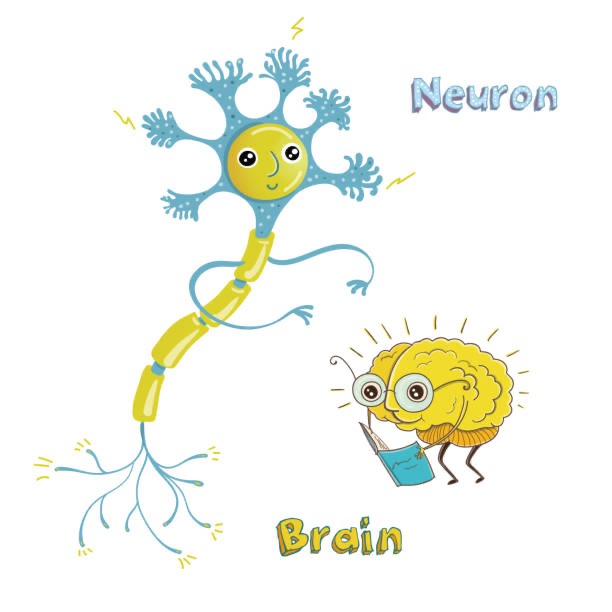
🧠 Neurological benefit: Begins engaging the nervous system and helps shift mental focus toward performance.
A – Activate
Goal: Engage key muscle groups and stabilizers required for the session or sport.
· Target underactive or often-neglected muscles (e.g., glutes, scapular stabilizers, core).
· Use bodyweight or resistance bands.
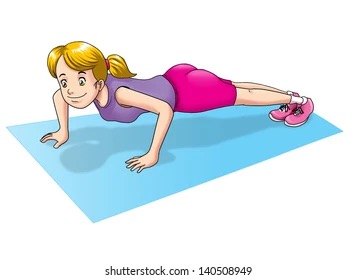
· Examples: glute bridges, mini-band lateral walks, dead bugs, plank variations.
🔧 Why it matters: This prevents energy leaks and reinforces joint control before loading the body dynamically.
M – Mobilize
Goal: Improve range of motion in joints and soft tissues critical for performance.
· Focuses on dynamic mobility — not static stretching — and targets sport-specific movement patterns.
· Includes movements like: walking lunges, hip openers, spinal rotations, thoracic mobility drills.
🎯 Key detail: Should emphasize mobility in ranges used during the upcoming session — e.g., hip mobility before sprinting.
P – Potentiate
Goal: Fire up the nervous system to increase explosive potential and movement speed.
· High-speed, high-intensity movements are introduced in low volume to prepare the body for peak output.
· Examples: sprint starts, jumps, medicine ball throws, reaction drills.
⚡ What this does: “Potentiates” the neuromuscular system, meaning it enhances the communication between brain and body — ideal for sprinting, lifting, or sport-specific tasks.
✅ Why Use the RAMP Framework?
· Scientifically backed and performance-proven.
· Systematic, so nothing gets missed (unlike random warm-ups).
· Easy to tailor to individuals and sessions.
· Smoothly transitions from general prep to performance readiness.
· Sharpens the focus and mindset to train efficiently and with purpose
Ready to Move Better?
If you want help integrating warm-up routines into your training or recovery, get in touch. You can also follow us on Instagram @springback_rehabilitation for weekly tips, drills, and rehab content.
Let’s get you back to your best—pain-free and powerful.
Thank you for taking the time to read this and I look forward to seeing you soon, wishing well in all your health.
Tom