The Squat – The potential King/ Queen of Exercises

🏋️♂️ Why the Squat is the King of Exercises
When it comes to building strength, improving mobility, and protecting your body against injury, few movements compare to the squat. Whether you’re an athlete chasing performance, an office worker battling hours of sitting, or someone looking to stay strong and independent later in life — squats are a cornerstone exercise.
Why Squats Matter
- Build Full-Body Strength – Squats don’t just work the legs; they engage your hips, core, and even your upper body for stability.
- Everyday Functionality – Standing up from a chair, picking something off the floor, climbing stairs… these are all squat patterns in disguise.
- Fall Recovery & Prevention – For older adults, the ability to sit down and stand back up is one of the strongest indicators of long-term mobility and independence. Practising squats builds the resilience to recover from a stumble or fall.
- Counteracting Sitting – over sitting can often develop tight hips and weakened glutes from long hours being sat in non-favourable positions. Squats restore movement and strength to these vital muscles.
Squat Variations for Everyone
- Bodyweight Squats – Perfect for beginners or as a warm-up.
- Goblet Squats – Holding a weight in front helps posture and makes the squat more accessible.
- Box Squats – Sitting back onto a chair or bench builds confidence and teaches proper depth.
- Loaded Squats (Barbell or Dumbbell) – For athletes looking to maximise strength and power.
- Front squats

My Favourite Squat Variations
These are some of the squat-based exercises I regularly use with clients to improve strength, movement quality, and resilience:
- Belt Squat – A great way to load the legs heavily without putting unnecessary strain on the spine. Perfect for building strength safely.
- The Overhead Squat – the real champion of exercises to test you.
- Lunge Compass Sequence – A dynamic flow of lunges in different directions to challenge balance, stability, and coordination — fantastic for athletes and injury prevention.
- Squat Jumps – Powerful and explosive, ideal for developing speed and lower body power.
- Squat Jumps with Turns – Adds a rotational challenge, engaging the core and vestibular system while building agility.
- Front & Rear Foot Elevated Split Squats – Excellent for single-leg strength, balance, and correcting imbalances between sides.
These progressions mean that squats can be adapted for any level — from office workers rebuilding strength, to athletes fine-tuning performance, to older adults working on balance and fall prevention.
A Neurology-Based Perspective
Often when someone struggles with their squat, the solution isn’t just about “tight muscles.” For example:
- If your heels lift off the ground, many coaches go straight to ankle mobility drills or wedge your heels on small discs. While these tools can help, it’s worth asking why the heels are lifting. Sometimes the issue is more neurological than mechanical.
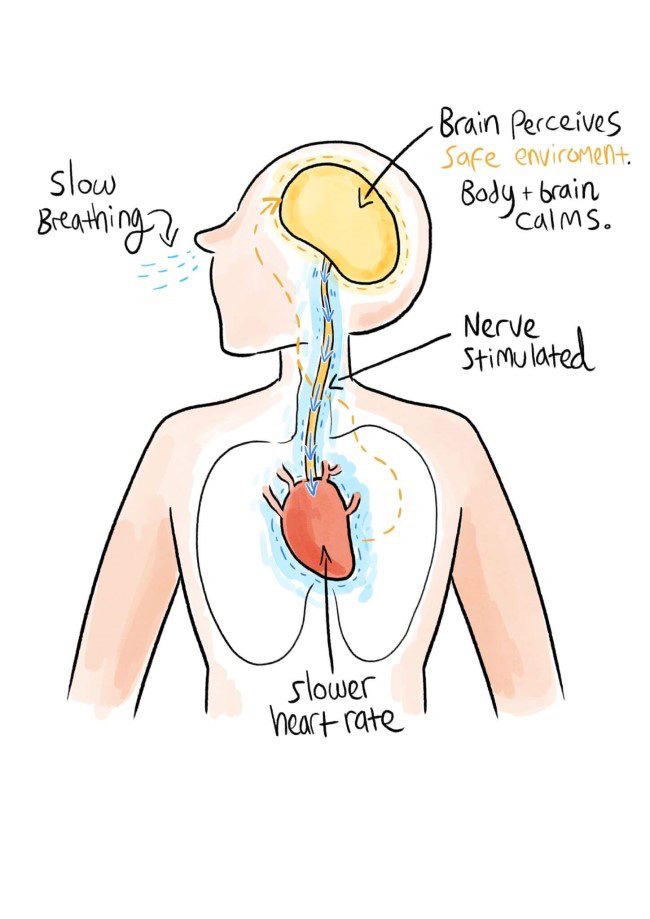
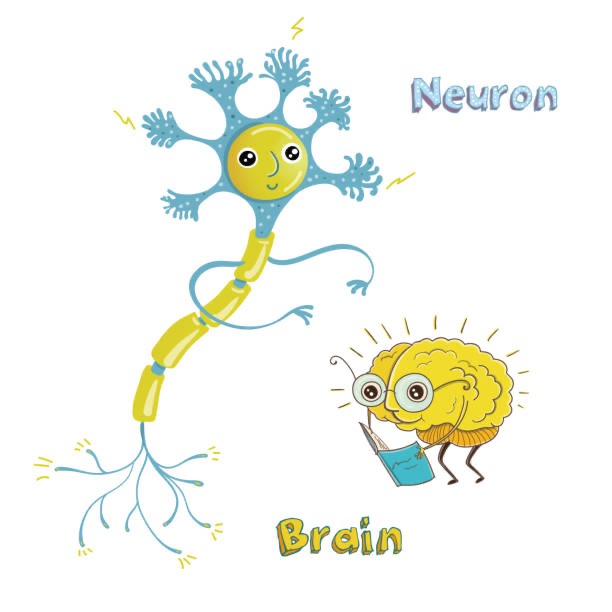
- The vestibular system (your inner ear balance system) plays a big role in how your body senses position and stability. One of its key components, the saccule, is an organ that detects up and down movement. It is essential to movements like squats — yet most people have never heard of it, let alone know how to train it.
- Training the saccule can be surprisingly simple. Gentle bouncing movements, controlled squat jumps, or even specific head-position drills can help stimulate and “wake up” this system. When the saccule is firing well, squats often feel easier, more stable, and more natural.
- In my own work, I often use squat jumps and squat jumps with turns — not just for power development, but also as a way of engaging the vestibular system. These drills challenge balance, stimulate the saccule, and build stronger, more adaptable movement patterns.
By checking and addressing these neurological inputs first, we often see squat mechanics improve immediately — without endless stretching or forcing mobility.

Common Mistakes to Avoid
- Knees caving inward → think about gently pushing them out and seeking expert help to work out why they might be – it is likely not “just weak glutes”.
- Heels lifting off the ground → don’t just blame ankle stiffness; check balance and stability too.
- Rushing depth → work within your mobility limits and progress steadily.
- Shoulder health, without a fully functioning shoulder; even gripping the barbell could be problematic before you load up and begin to squat, consider an overall approach to the lifts.
Takeaway
Squats aren’t just for the gym. They’re a foundation for strength, balance, and freedom of movement at any age. Whether you’re training for sport, aiming to improve posture after long days at a desk, or staying strong to enjoy life as you age, squats deserve a place in your routine.
💡 If you’d like guidance on how to squat safely and effectively — or how a neurology-based approach combined with tailored squat variations can unlock your movement — I’d love to help. Whether you’re recovering from an injury or trying to level up your training, I’ll help you build a Squat you can be proud of.
👉 Book an appointment or message me directly to get started.
📍 SpringBackRehabilitation.co.uk
📞 Or drop me a message on Instagram @springbackrehab
Ready to Move Better?
If you want help integrating squats or other exercises into your training, get in touch. You can follow us on Instagram @springback_rehabilitation for weekly tips, drills, and rehab/ exercise content.
Let’s get you back to your best—pain-free and powerful.
Thank you for taking the time to read this and I look forward to seeing you soon, wishing well in all your health.
Tom