The Pull Up
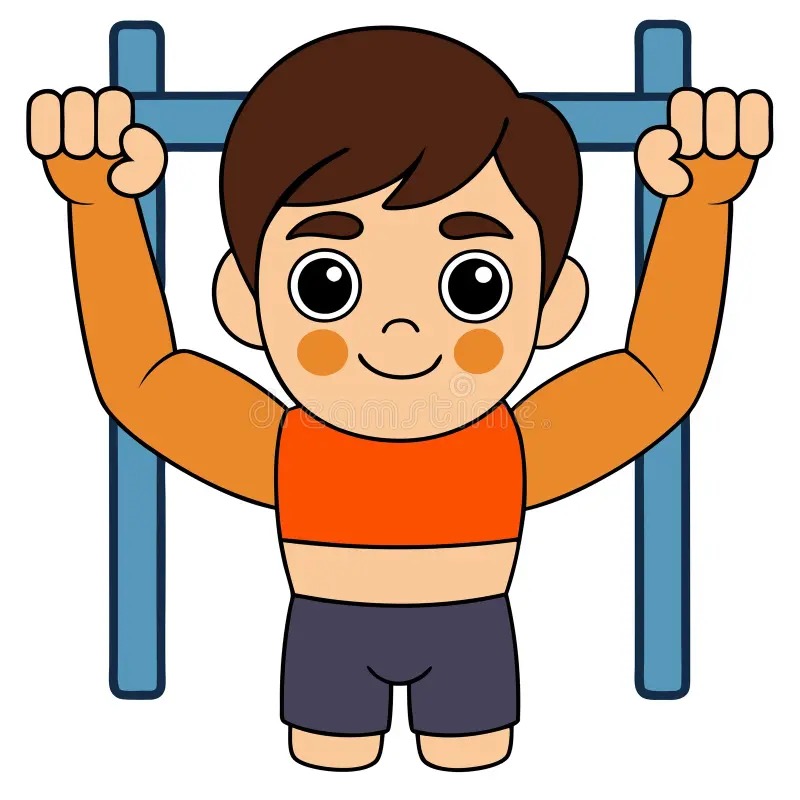

Why Pull-Ups Are Fundamental for Strength & Injury Prevention
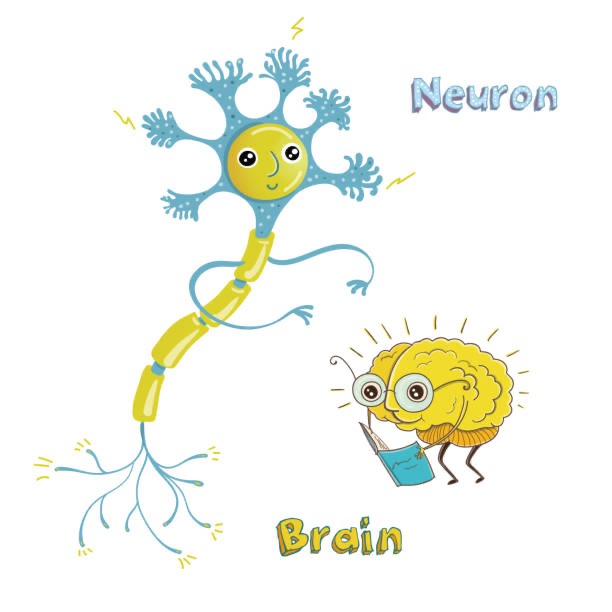
Pull-ups aren’t just a test of upper body strength—they’re a key movement pattern that builds resilience, reinforces proper scapular control, and enhances overall athletic performance. Pull ups (or the build up exercises to them) are a compound movement i.e. they recruit a large number of joints and muscles during the movement. This requires a large neurological input to drive and co-ordinate the movement and helps build more muscle strength, hence they give a great “bang for your buck” return on your efforts.
Here’s why they matter:
✅ Scapular Strength & Control – A strong pull-up requires coordinated movement of the shoulder blades, reducing the risk of shoulder pain and improving posture.
✅ Balanced Strength Development – Many people overtrain pushing movements (think bench press, push-ups) but neglect pulling strength, leading to imbalances that can cause pain and dysfunction.
✅ Grip & Core Engagement – A properly executed pull-up demands a strong grip and engaged core, both of which transfer to better performance in other exercises and daily activities.
✅ Longevity & Injury Resilience – If you can control your bodyweight through a full range of motion, you’re less likely to suffer from common shoulder injuries and upper back tension.
If you’re struggling with pull-ups, don’t just keep failing reps—build the right foundation first! Strengthen your scapular stabilizers, improve mobility, and work on eccentrics or assisted variations.
At Spring Back Rehabilitation, we place a lot of emphasis on encouraging people to train smartly and efficiently, looking at the 7 key foundational movement patterns. The pull up aims to develop stability, strength and power within the shoulder complex, the large posterior chain muscles and enhance activation of the core stability muscles.
The pull up looks to recruit large amounts of the upper posterior chain, deltoids, rotator cuff muscles, core stability and hip extensors. I.e. traps, rhomboid, erector spinae group, deltoids (rear, middle, front), TVA, rectus abdominus, rotatories, multifidus, supraspinatus, infraspinatus, teres minor, subscapularis. Further to this the hip flexors are recruited when pulling correctly – psoas major, iilliacus and rectus femoris.
Relevance to everyday life: Pulling is 1 of the 7 fundamental movement patterns of life. There are a multitude of examples of pulling objects to you such as picking up shopping, opening a car door through to pulling yourself up & over a wall. In sport, the pull is used for instance in grappling to secure an opponent in the clinch position, in training the pull up is a fundamental movement to build strength due to the large amount of both muscular and neural recruitment involved.
How to Do a Pull-Up (The Right Way):
1. Start from a Dead Hang
Grip the bar just outside shoulder-width. Let your body hang with straight arms, shoulders engaged (not shrugged). This is your starting position. Think, ensure your arms don’t cover your ears.
2️. Engage Your Scapula
Think “pull your shoulder blades down and back” before bending your elbows. This helps activate the right muscles and protects your shoulders.
3. Pull Through Your Elbows
Drive your elbows down and back—don’t think about pulling with your hands. Keep your core tight and avoid swinging or kicking. It can help to imagine trying to “bend the bar” are you pull your chest towards the bar.
4. Visual Target
Have a visual target to focus on. Keep your eyes focused on a specific target to the front, with your head & eyes remaining level.
5. Chin Over the Bar
Pull until your chin clears the bar, keeping tension throughout your body, keep the legs & feet squeezed together to prevent energy leaks. Pull through the back muscles imagining trying to bend the bar.
6. Controlled Lowering
Lower yourself slowly and under control to a full hang. This eccentric phase builds serious strength and control.
🔁 Repeat for quality reps—not just quantity — not just quantity. If that means 1 perfect rep at a time, that is better than 5 poor quality, half rep attempts.

💪 Exercises to Build Pull-Up Strength (Without Doing a Pull-Up Yet):
If you’re not quite there yet, don’t worry—these exercises mimic the mechanics of a pull-up and help build the specific strength you need:
🔹 Scapular Pull-Ups
Hang from a bar and only move your shoulder blades—pull them down and back, then relax. Builds essential scapular control and sets the foundation for proper pull-up form. Work to include forwards & backwards glides of the shoulder blade to.
🔹 Eccentric Pull-Ups
Jump or step to the top of the pull-up position, then lower slowly for 3–5 seconds. This builds strength through the full range of motion.
🔹 Band-Assisted Pull-Ups
Loop a resistance band around the bar and under your knees or feet. This helps offload some of your bodyweight while allowing full movement practice.
🔹 Bodyweight Rows (Inverted Rows)
Using rings or a barbell in a rack, pull your chest toward the bar from a horizontal position. Great for building mid-back and lat strength.
🔹 Lat Pulldowns
A solid substitute when you can’t get to a bar yet. Focus on controlled movement, pulling through your elbows, and full range.
🔹 Dumbbell Rows / Kettlebell Rows / Gorilla rows
Single-arm rowing helps build the pulling power needed for vertical movements while also addressing any side-to-side imbalances. The gorilla row is a great pulling movement exercise.
🔹 Hollow Body Holds
Your core is key in the pull-up. This gymnastic hold trains body tension and anti-extension, helping reduce swinging and increase control on the bar.
🔹 Hollow Body Holds
Sled pulls / tyre drags, these compound movements are fantastic at building pulling strength.
Reps and sets? Integrating into programs should follow the normal strength type training principles (SAID, progressive overload, over training, individuality, contact me at Spring Back Rehabilitation for help with this ) for example a period of 4 – 6 weeks using the 5 x 5 system will yield great results with pull ups especially when mastered and weighted pull ups are used.
🧠 Train smart. Progress gradually. And build strength that transfers beyond the gym.
Need a custom plan to master your first pull-up (or 10)? Let’s work together — DM me 📩
#PullUpProgress #StrengthTraining #ScapularControl #FunctionalFitness #RehabThroughMovement #SpringBackRehabilitation
Ready to Move Better?
If you want help integrating pull ups or other exercises into your training, get in touch. You can follow us on Instagram @springback_rehabilitation for weekly tips, drills, and rehab/ exercise content.
Let’s get you back to your best—pain-free and powerful.
Thank you for taking the time to read this and I look forward to seeing you soon, wishing well in all your health.
Tom