The Press Up

📰 How and Why to Train Press-Ups
“Why Everyone Should Train Press-Ups – And How to Do Them Right”
🧠 How and Why to Train Press-Ups: Benefits, Technique, and Progressions
👋 Intro
Press-ups (or push-ups, depending on your terminology) are often overlooked or performed badly — but when trained correctly, they’re a powerful tool for building strength, improving posture, and preventing injury. Whether you’re an office worker with shoulder pain or an athlete building upper body resilience, press-ups deserve a place in your training routine. They are a true benchmark to master with your own bodyweight, no equipment is needed!
I am a former qualified Royal Marines Physical Training Instructor and Exercise Rehabilitation Instructor and served as these for 22 years, this makes me very well placed to help you get your correct first press up and build true strength with them. There is no “guru” hack to shortcut this by me, I’m afraid building strength takes dedication, commitment and discipline to achieve the results you want, stick with me and you will get them.
💪 Why Train Press-Ups?
Benefits of Press-Ups in Sports Therapy and Rehab
Press-ups are far more than just a chest exercise. When performed with good technique, they work your:
- Chest, shoulders, and triceps; this includes the synergistic aspect of rotator cuffs (DM me if unsure what this means)
- Core stabilisers
- Serratus anterior and scapular control
- Glutes and legs (if you brace properly)
They’re also a great tool for:
- Improving shoulder stability
- Reinforcing scapular movement patterns
- Building load tolerance through the upper body
- Creating a foundation before more complex upper-body strength work follows, this includes advanced calisthenic movements such as handstand press ups
🧍♂️ Common Issues I See with Press-Ups
What’s Holding You Back from a Good Push-Up?
In the clinic, I often see:
- Sagging hips (lack of core engagement)
- Elbows flaring out (puts stress on shoulders)
- Hands too far forward (reduces power and shoulder safety)
- Scapulae not moving freely
- Neck strained (unaware where to look for visual target)
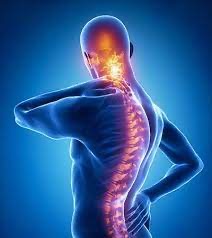
Correcting these patterns not only improves strength but helps reduce issues like:
- Shoulder impingement
- Anterior chest tightness
- Poor scapular rhythm
🔧 How to Perform a Perfect Press-Up
Press-Up Technique for Strength and Injury Prevention
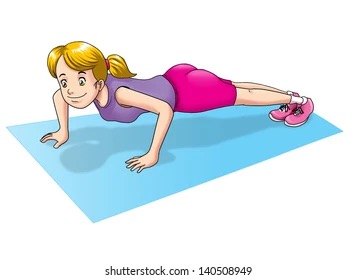
- Start in a high plank: hands under shoulders, core braced, glutes engaged, eyes looking around 6 – 10 inches in front & fixed on a point, looking through the eyebrows
- Lower slowly: elbows bend & keep tucked to body, chest moving between the hands towards the floor, glutes squeezed throughout
- Feel the scapula move: controlled retraction and protraction
- Push powerfully from the ground but do NOT let the chest rest on the ground, maintaining alignment back to the top of a high plank
- Don’t rush: time under tension matters more than reps and repeat for reps

🧗♀️ Press-Up Progressions: Where to Start
Press-Up Variations for Beginners to Advanced
Depending on your starting point, here’s how to build strength:
- Wall press-ups – great for absolute beginners or shoulder rehab
- Incline press-ups (hands on bench or bar) – easier than floor but more engaging than the wall
- Hand placements – play with taking the hands wider or narrower to vary the muscle groups used
- Eccentric press-ups – lower down over 5 seconds, pause on the floor & powerfully press back up
- Tempo or pause reps – build stability and control, pausing at mid range or various ranges throughout
- Feet-elevated press-ups – more advanced for upper chest and shoulders
- Band-resisted or weighted – strength-focused progression
- Archer press ups – transferring your weight from side to side as you lower your chest to the floor, this change of weight distribution is challenging and helps build stability and strength
- Olympic ring press–ups – a very advanced version requiring maximal stability over the rings as you lower into the press up position, but allows a deep press movement into shoulder extension. At the top position, try to turn the rings out for maximum effect
- Handstand press up series – Pike press ups, feet elevated pike press ups, pike press ups on supports such as P-bars, full handstand press ups (@Springback, these will be done strictly, with correct form, chest to wall, no kipping). These are advanced variations, but fantastic to start with and build into your training program, especially the pike press up which can be progressed to the float pike press up
- Brain based variations – really engage the brain to work on variations by introducing different hand angles, such as fingers facing in to each other, fingers facing away or fingers facing back to your hips, work on compass angles with the hand placement on the floor, addition of bands at 90 degrees to you can be included to add load as the band tries to destabilise your form
⚙️ How I Use Press-Ups in Rehab & Performance
In the clinic, I use press-up variations to:
- Rebuild pressing strength post-injury
- Restore scapular control (especially with serratus work)
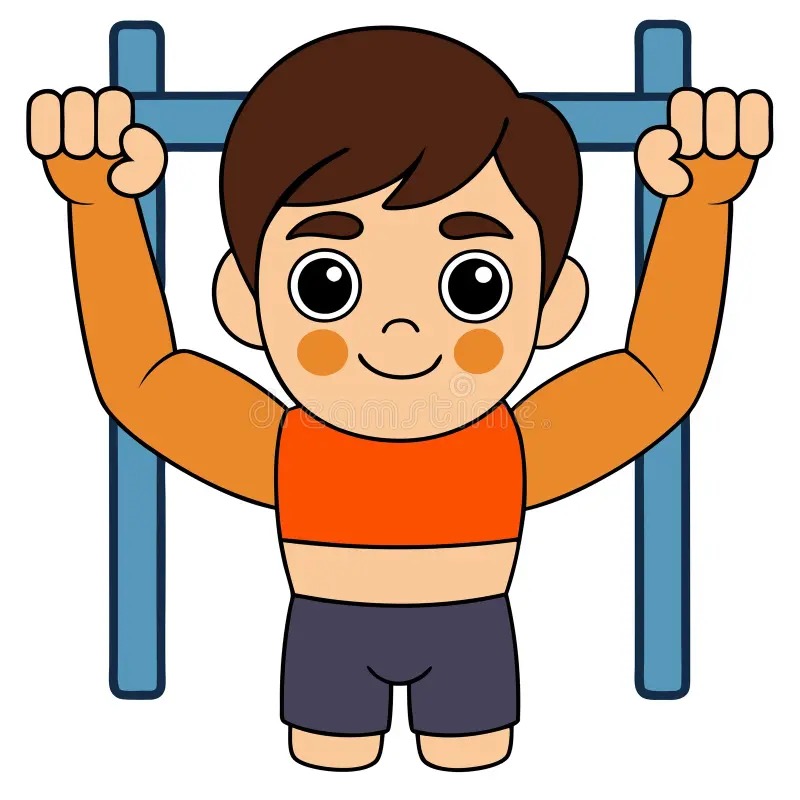
- Complement pulling work like rows and pull-ups
- Improve functional strength in a closed kinetic chain
- Introduce brain based efforts

📩 Ready to Improve Your Upper Body Strength?
Whether you’re recovering from an injury or trying to level up your training, I’ll help you build a press-up you can be proud of.
👉 Book an appointment or message me directly to get started.
📍 www.Springbackrehabilitation.co.uk
📞 Or drop me a message on Instagram @springbackrehab
Ready to Move Better?
If you want help integrating press ups or other exercises into your training, get in touch. You can follow us on Instagram @springback_rehabilitation for weekly tips, drills, and rehab/ exercise content.
Let’s get you back to your best—pain-free and powerful.
Thank you for taking the time to read this and I look forward to seeing you soon, wishing well in all your health.
Tom