Lower Back Pain: Breathing and the Nervous System
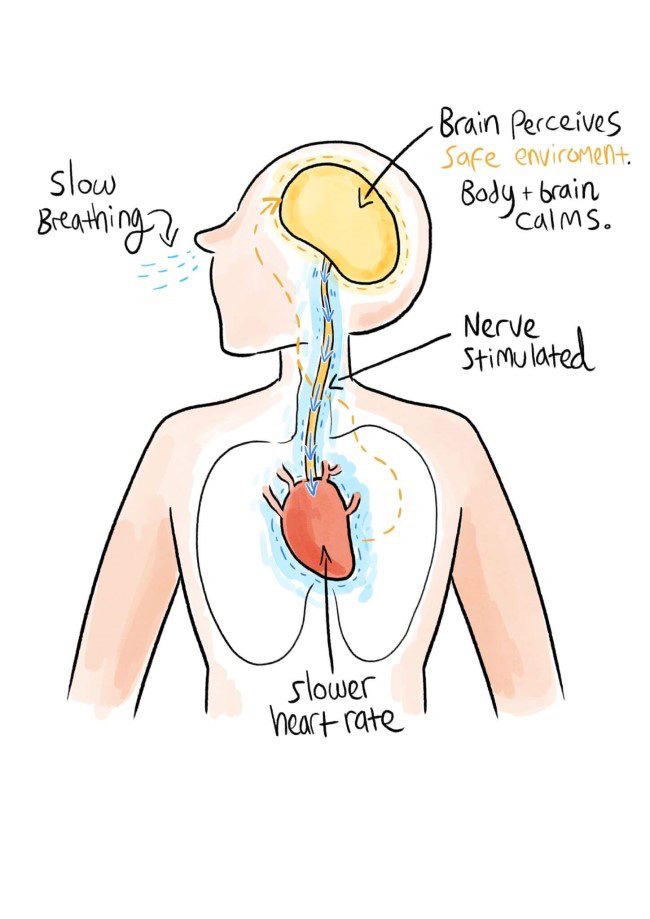
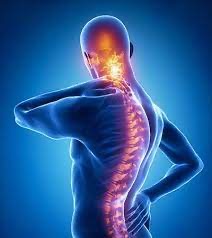
| When you think of lower back pain, breathing probably isn’t the first thing that comes to mind. But how you breathe directly influences how your body moves, how your nervous system regulates tension, and how your back feels day to day.Most of us spend hours sitting, under stress, or breathing shallowly through the chest — often without realising it. This breathing pattern can increase tone through the neck, shoulders, and lower back, while reducing the diaphragm’s ability to do its job. Over time, that can lead to stiffness, fatigue, and a nervous system that’s stuck in a “protective” mode. Many people can be over breathing, that is they take on lots of oxygen but are not driving this into the blood stream as efficiently as they could, to be used by the body. This could be due inefficient musculature that assists exhalation, carbon dioxide is the gas that really drives oxygen uptake as it forces the oxygen off the “carrying taxi” in the blood (a protein called haemoglobin). Working with exhalation is a great way to improve breathing mechanics. |
| Why Breathing Matters for Back HealthThe diaphragm isn’t just for breathing — it’s part of your core stability system. When it works well, it coordinates with the deep abdominals, pelvic floor, and spinal muscles to manage pressure and support movement. If breathing becomes restricted or unbalanced, your body compensates elsewhere — often by overusing the lower back muscles. This is why improving breathing mechanics can be such a powerful first step in calming pain and improving movement.Nervous System Input and PainYour nervous system constantly scans for safety. If it perceives threat — whether from poor breathing, emotional stress, or past injury — it may increase muscle tone to protect you. That can feel like tightness, guarding, or pain. By training calm, efficient breathing, you give your nervous system a sense of control and safety. This helps reduce unnecessary tension and creates better conditions for your body to heal and move freely. |

The Role of Interoception
Interoception is your ability to sense what’s happening inside your body — things like your heartbeat, breathing rhythm, or muscle tension. It’s your internal feedback system.
When interoceptive awareness is low, it’s easy to miss the early signs of tension or fatigue until pain becomes the only signal that something’s wrong. Breathing-focused exercises help rebuild that awareness, teaching you to recognise subtle changes in how your body feels and responds.
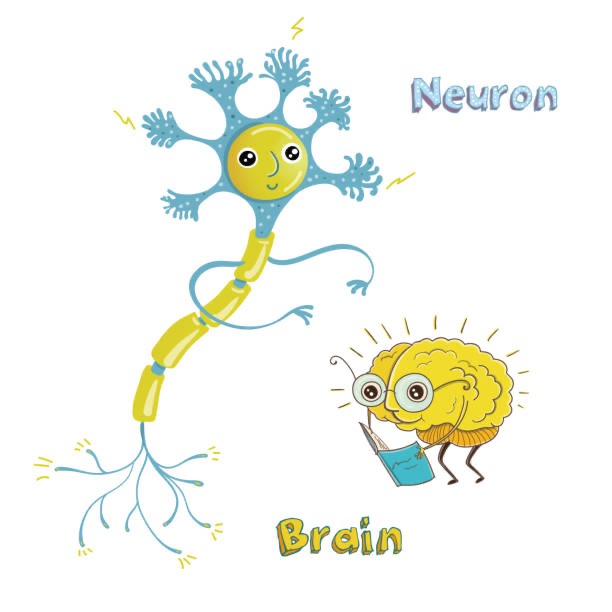
Improving interoception isn’t just about mindfulness — it’s about strengthening the communication between your body and brain, helping your nervous system interpret signals more accurately and respond with less protective tension.
Try these two simple self-checks:
1. Heartbeat awareness: Sit quietly for a few moments and see if you can feel your heartbeat — either in your chest, neck, or pulse points. Don’t force it; simply notice where it’s easiest to sense. This helps train awareness of your body’s internal rhythm and connection to calm.
2. Breath distribution check: Place one hand on your chest and one on your abdomen. Inhale slowly through your nose and notice which hand rises first. Ideally, the abdomen moves before the chest — a sign that your diaphragm is leading the breath, not your accessory neck muscles.
These small awareness checks can help you tune into how your body feels before tension builds up, giving you a clearer sense of control over pain and stress responses.

| The First Rib and Sternoclavicular Joint (SCJ)Proper assessment of the first rib and SCJ is also crucial when working with breathing and upper body tension. If the first rib or SCJ is restricted or elevated, it can alter how the rib cage expands during inhalation and place extra load on the neck and upper back muscles. This restriction often contributes to shallow chest breathing and can indirectly affect lower back mechanics through the entire chain of postural muscles. By restoring normal movement and alignment around the first rib and SCJ, we can help the diaphragm work more efficiently and reduce compensations that often link the upper body to persistent lower back pain.💡 Clinical Note: If you notice uneven shoulder height, neck tension that won’t settle, or find it difficult to take a deep, relaxed breath, it may be worth having your first rib and breathing mechanics assessed. A professional assessment can identify subtle restrictions and help reset the balance between your breathing, posture, and spinal movement — often leading to faster, longer-lasting relief. |
| Simple Breathing Drills to TryHere are two exercises I use regularly with clients recovering from lower back pain:1. Supine Diaphragmatic Breathing· Lie on your back with knees bent and feet flat.· Place one hand on your chest and one on your abdomen.· Breathe in slowly through your nose, aiming to lift your lower hand as your belly expands.· Exhale gently through your mouth, allowing your ribs to soften, keep exhaling almost to the point of a cough to fully force the exhalation maximally.· Breath normally for a few breaths and repeat once more, staying relaxed through your shoulders and neck.2. Alternate Nostril Breathing (Nadi Shodhana)· Sit comfortably with a tall spine and relaxed shoulders.· Using your right hand, close your right nostril with your thumb and inhale gently through your left nostril.· Pause briefly, then close your left nostril with your ring finger and exhale through the right nostril.· Inhale again through the right side, pause, and exhale through the left — that’s one full cycle.· Continue for 5–10 cycles, keeping your breath smooth and calm.This technique helps balance the two sides of your nervous system — reducing stress, improving focus, and promoting a sense of calm that can ease tension throughout the spine and lower back. |

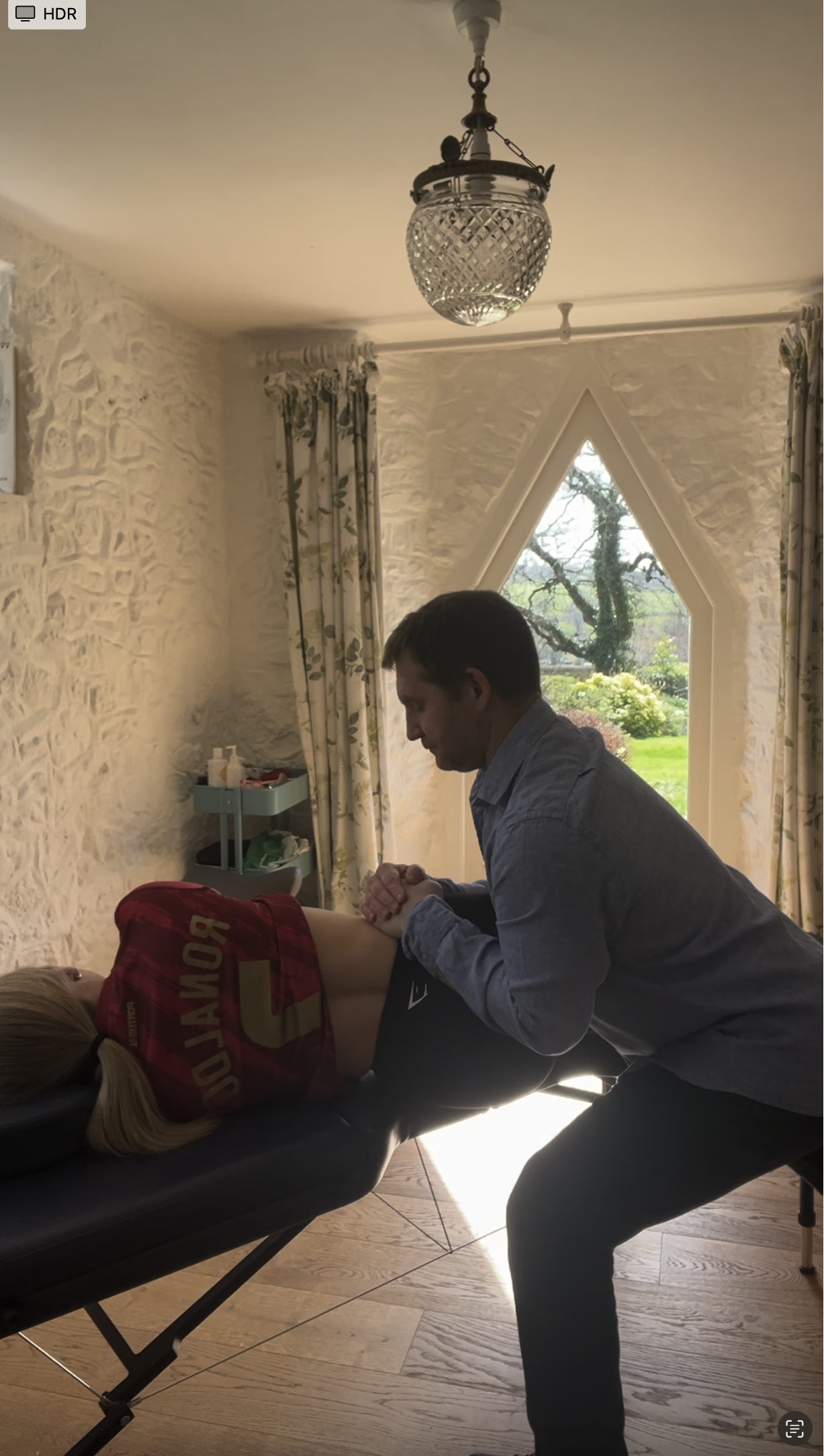
| Bringing It TogetherImproving your breathing is about more than oxygen — it’s about teaching your body to feel safe enough to move freely again. Combining nervous system awareness, interoception, and breathing practice can reduce tension, improve posture, and make your rehabilitation more effective.Need help retraining your breathing and movement patterns?At my clinic, I use a combination of sports therapy, soft tissue treatment, and brain-based movement work to help clients overcome pain and improve function. If you’re struggling with persistent lower back pain, book a session today and let’s restore control, confidence, and calm to your system.Book your appointment today – expert sports therapy for South Somerset & Taunton https://www.springbackrehabilitation.co.uk/booking-system/ |
| Catch Up on the SeriesPart 1 – Approach to low back pain treatment https://www.springbackrehabilitation.co.uk/lower-back-pain/Approach to low back treatmentPart 2 – Using hip mobility to treat lower back pain https://www.springbackrehabilitation.co.uk/648-2/Part 3 – Side bending and Rotation: Building confidence and strength through gentle side bending and rotational exercises. https://www.springbackrehabilitation.co.uk/restoring-side-bending-rotation-for-a-healthier-lower-back/👉 Part 4 – Breathing & the Nervous System: (you’re here) Next up – Part 5: Stability & Load Progression: How to build lasting strength so your back stays resilient and pain-free.Final Thoughts There’s no “one-size-fits-all” approach to any presenting injury, care and time is needed to listen and work like a therapy detective for the client. Every client is different, which is why I tailor each session to your needs, your goals, and how your body responds.If you’re currently struggling with any injury and want to start moving forward again, I’d be happy to help.👉 Click the link to book an appointment or message me directly to get started. https://www.springbackrehabilitation.co.uk/booking-system/📍 📞 Or drop me a message on Instagram @springbackrehab https://www.instagram.com/springback_rehabilitation/Ready to Move Better?Let’s get you back to your best—pain-free and powerful.Thank you for taking the time to read this and I look forward to seeing you soon, wishing well in all your health.Tom |