Lower Back Pain
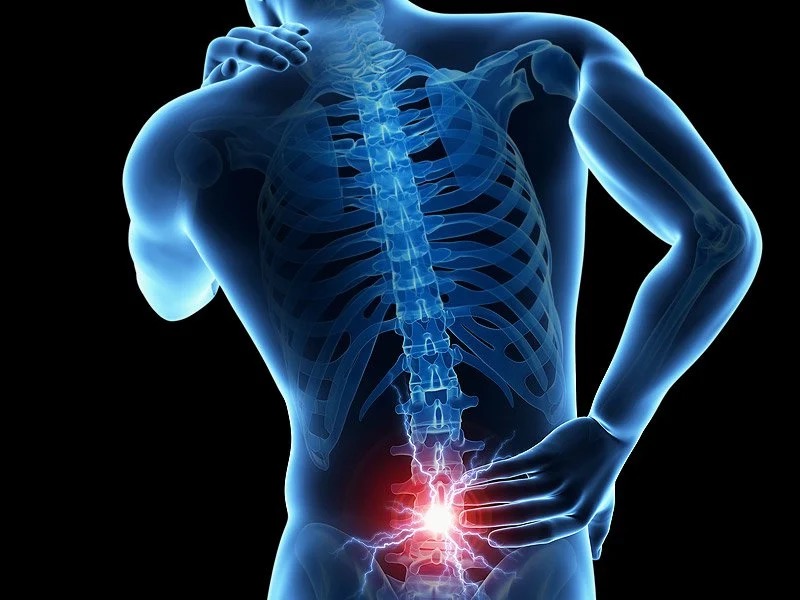
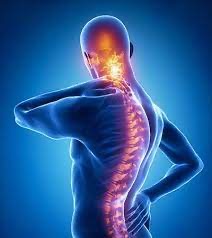
| Lower Back Pain: How I Approach TreatmentLower back pain is one of the most common issues I see in the clinic. Whether you’re an athlete, office worker, or simply trying to stay active, back pain can feel frustrating and limiting. The good news is: there are always steps we can take to get you moving better and reduce your pain.Here are some of the main ways I approach lower back pain treatment: |
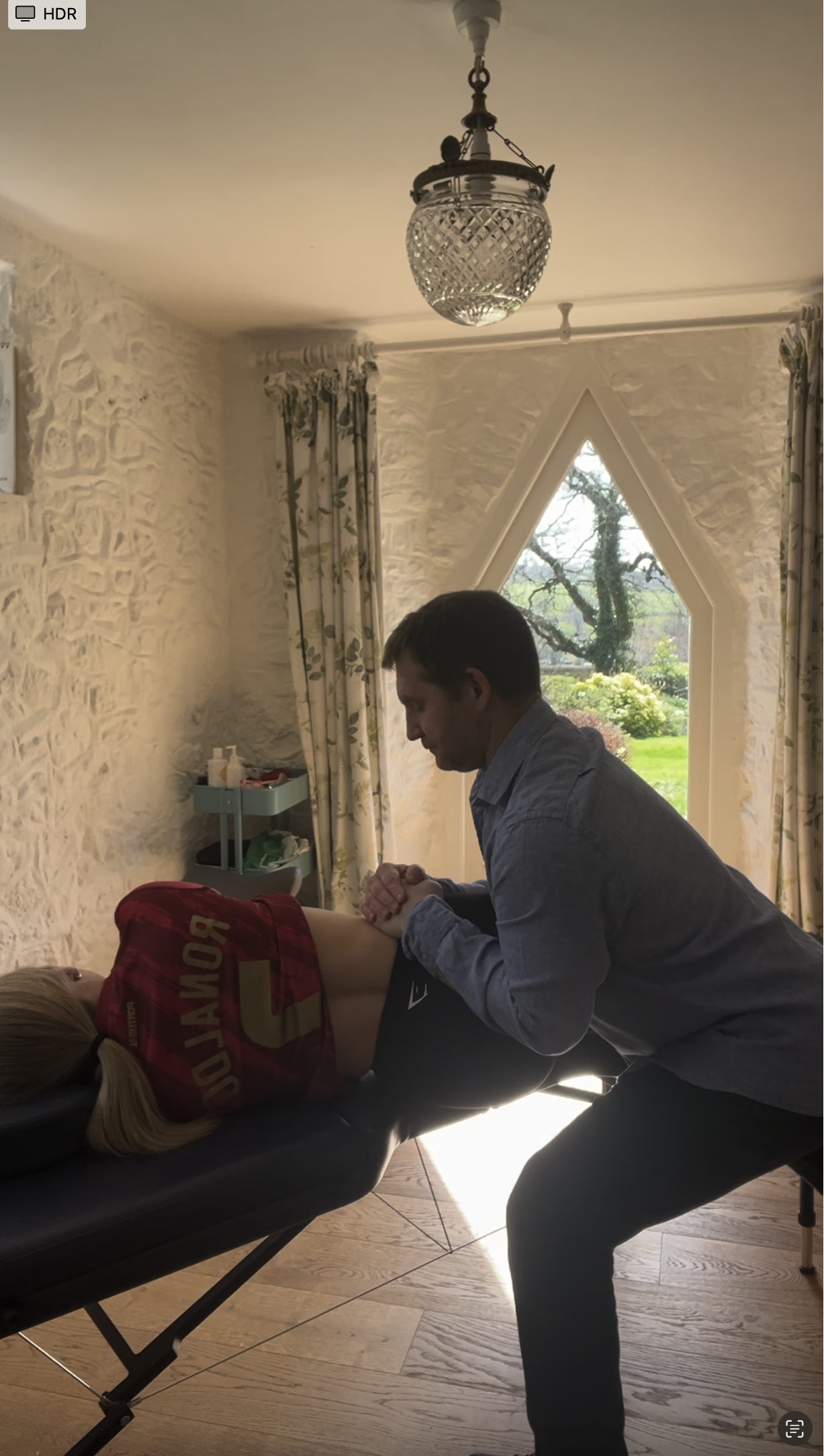
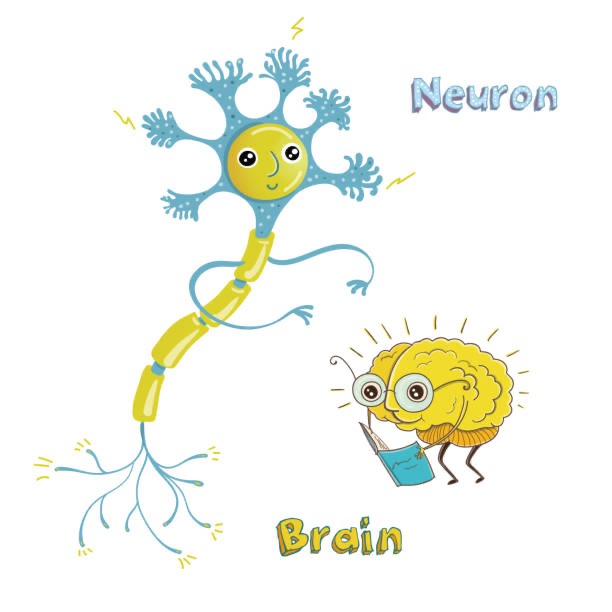
| Looking Beyond the Back Itself Pain in the lower back often has contributing factors elsewhere in the body. Tight hips, weak glutes, or stiff upper back movement can all add extra stress to the lumbar spine. My assessment always looks at how your whole body is working together, not just the painful area. There is a requirement to also think outside of the “pain site” and start to consider lifestyle factors such as stress or fatigue that could be the underlying reason for chronic pain. An insight into neuroscience will help look to explore the hierarchy of input systems the brain uses to interpret and provide outputs such as pain. Hands-On Treatment to Calm & Reset Soft tissue therapy is a key part of my approach. Through hands-on techniques, I can help reduce tension in overactive muscles, encourage blood flow, and restore movement where things feel “locked up.”Some of the specific techniques I use include:· Deep tissue release around the lower back, hips, and glutes to ease protective muscle guarding.· Trigger point therapy to calm down areas of referral pain.· Joint mobilisations to gently restore movement in the spine and surrounding joints.· Fascial release to free up restrictions that limit how your body moves as one system but this must be linked to the nervous system which is the overall controller to muscle contraction/ tightness. These techniques do more than just loosen muscles — theysend powerful signals to the nervous system, helping to “turndown the volume” of pain and allow freer, more confidentmovement. |

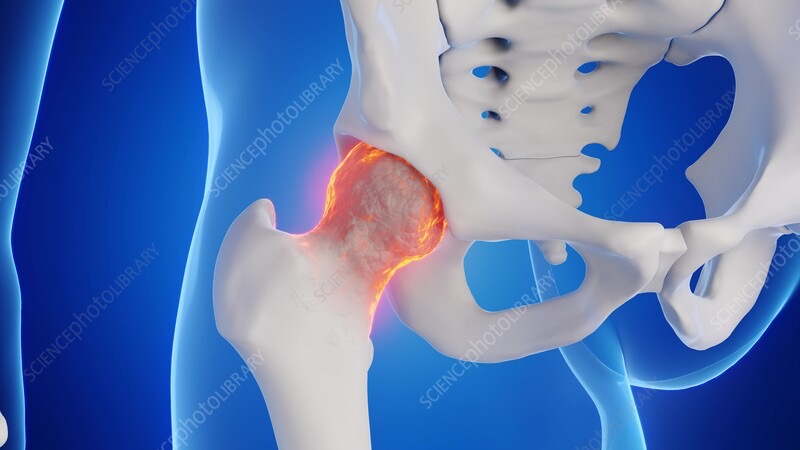
| Restoring Hip Mobility for Back Relief The hips and lower back are closely linked: when the hips are stiff, the back is forced to take on more movement than it’s designed for. Improving hip mobility is often one of the fastest ways to take pressure off the lumbar spine.Some of the drills I commonly prescribe include:· Hip flexor stretches to counter long hours of sitting and reduce pull on the lower back.· 90/90 hip rotations to improve internal and external rotation — vital for athletes and anyone who twists, runs, or changes direction.· Glute activation work to ensure the hips are not just mobile, but strong enough to support the spine.· Dynamic hip openers such as lunge variations, which train the hips to move freely during real-world activities.With better hip mobility, your back doesn’t have to overwork every time you bend, lift, or rotate.Read this Blog for some warm up ideas https://www.springbackrehabilitation.co.uk/one-perspective-on-how-to-conduct-a-proper-warm-up-and-why/ |
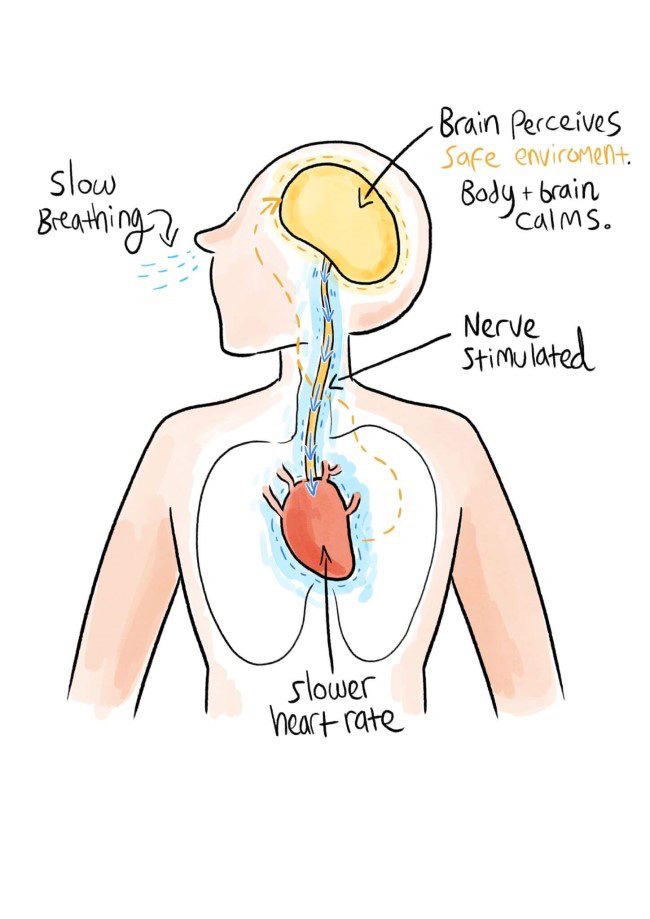
| A Neurological Approach: Activating the Brain-Body Connection Back pain isn’t just about muscles and joints — it’s also about how the nervous system processes movement and pain. This is where my brain-based approach comes in.By working with specific cranial nerve activation drills, I help improve communication between the brain and body. These nerves play a vital role in balance, coordination, vision, and breathing — all of which influence how safe and stable your body feels when moving.Here are two simple drills I often use with clients:· Eye Movement Drill (Cranial Nerves III, IV & VI) Sit tall in a chair. Keep your head still and slowly move your eyes side-to-side, as if following a clock’s pendulum. Do 5–10 smooth repetitions in each direction. Many people notice easier breathing or reduced tension after this.· Breathing Drill for Vagus Nerve Activation Lie on your back with one hand on your belly and one on your chest. Inhale gently through your nose for 4 seconds, pause briefly, then exhale through your mouth for 6 seconds. Repeat for 1–2 minutes. This calms the nervous system and helps reduce protective back tension.When the nervous system feels “safe,” movement becomes easier, less painful, and more natural. This layer of treatment complements hands-on work and mobility drills, making recovery completer and more long-lasting. |

Building Long-Term Resilience
Once we’ve restored mobility, calmed the nervous system, and reset movement patterns, the next step is strengthening the supporting muscles: the glutes, core, and spinal stabilisers. This helps your back tolerate more load without flaring up again.
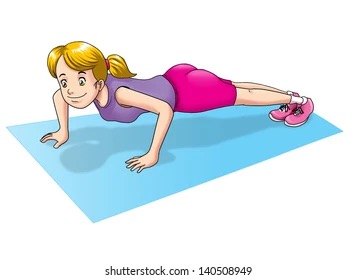
Over time, this shift from hands-on treatment → neurological activation → mobility → strength gives clients long-term relief and the confidence to move without worrying about pain. Here are some blogs on developing strength in the pull up, press up and squat.

Final Thoughts
There’s no “one-size-fits-all” approach to lower back pain. Every client is different, which is why I tailor each session to your needs, your goals, and how your body responds.
If you’re currently struggling with back pain and want to start moving forward again, I’d be happy to help.
👉 Click the link to book an appointment or message me directly to get started. https://www.springbackrehabilitation.co.uk/booking-system/📍
📞 Or drop me a message on Instagram @springbackrehab https://www.instagram.com/springback_rehabilitation/
Ready to Move Better?
Let’s get you back to your best—pain-free and powerful.
Thank you for taking the time to read this and I look forward to seeing you soon, wishing well in all your health.
Tom