Unlocking hip mobility for a pain free back
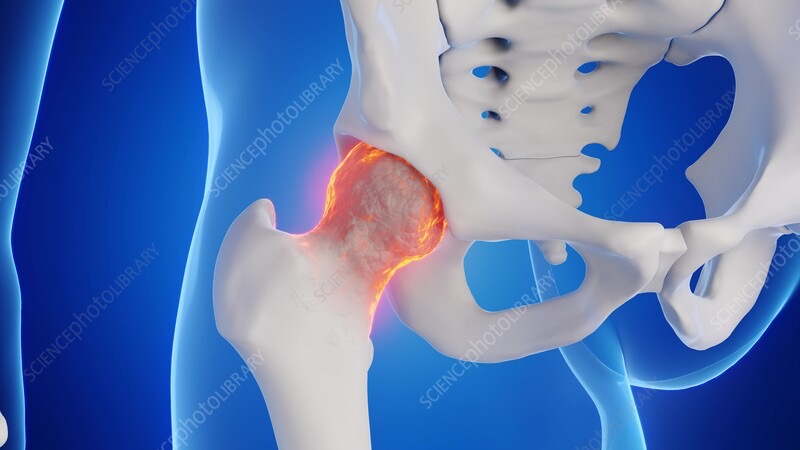
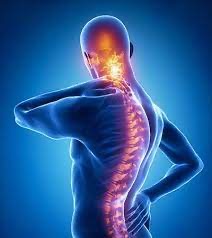
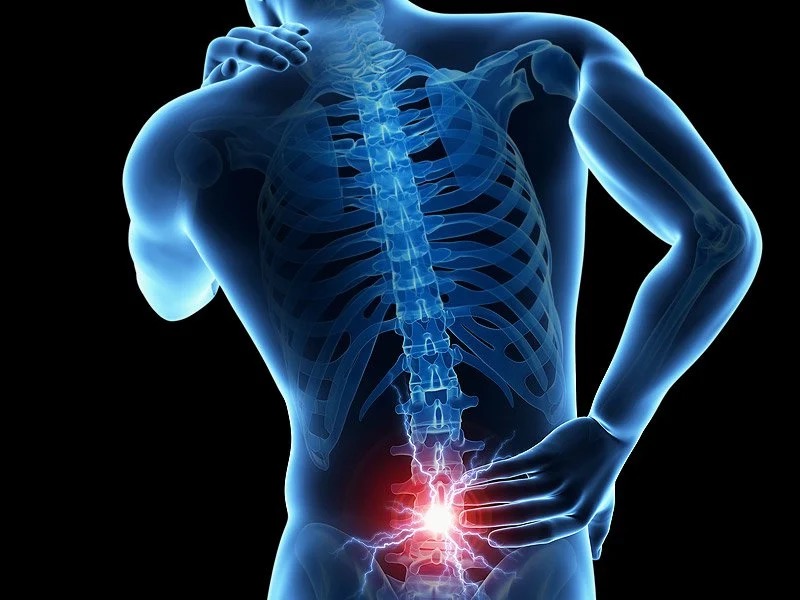
| Lower back pain often isn’t just a ‘back problem.’ Stiff, tight, or weak hips can place huge stress on the lumbar spine, forcing it to take on movement it wasn’t designed for. By restoring hip mobility and strength, we reduce this overload — helping your back move and feel better.The hip acts like a cog in the wheel of human movement, working in harmony with the pelvis and spine every time we walk, run, or squat. If that cog becomes stiff or restricted, the load has to be absorbed elsewhere — often by the lower back. Over time, this creates compensation patterns, strain, and pain. By restoring smooth, balanced movement at the hip, we allow the pelvis to rotate more naturally and the spine to move more efficiently, keeping the whole chain working together as it should. Restoring full range of movement for the hip helps reduce a commonly seen pattern of increased external rotation at the hip and reduction in internal rotation. This is very important to address; the increased external rotation can start to cause a rubbing/ knocking effect on the labrum (ring of cartilage surrounding the hip socket joint and deepening the socket the ball of the joint sits in) leading to tears or other injury. |
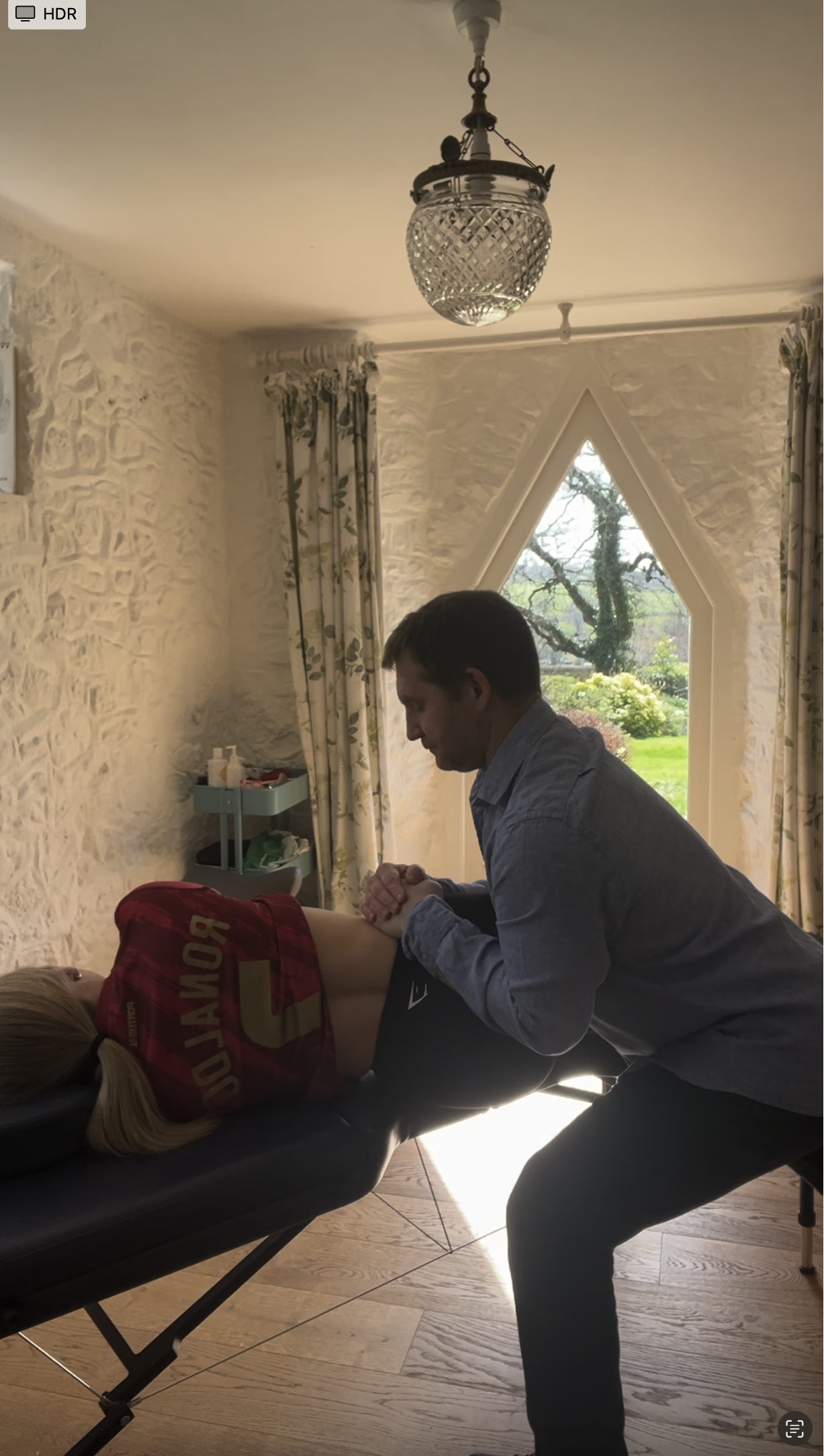
| Hands-On Therapy for Hip ReleaseWhen treating hip-related back pain, I often begin with manual therapy techniques to release tight structures:• Soft tissue therapy to the hip flexors (iliopsoas, rectus femoris) reduces forward pulling on the pelvis.• Multiple plane hip traction work to stimulate synovial fluid change in the hip joint and capsule – similar to working an oil change in an engine; helps all of the moving parts move well and smoothly. • Gluteal release helps the hips rotate more freely.• Adductor and TFL work can restore balanced movement across the pelvis.Hands-on treatment doesn’t just reduce tension — it also signals to your nervous system that movement here is safe again. This prepares the hips for meaningful, long-term change through exercise. |

| Mobility Drills You Can TryOnce we’ve opened up the hips, movement is the next step. Here are some powerful drills I often use with clients:1. 90/90 Hip Rotations – Improves internal and external rotation — key for healthy squatting, walking, and running.2. Banded dynamic eccentric Hip Flexor Stretch with Glute Activation – Targets tightness at the front of the hip while switching on the glutes to stabilise the pelvis.3. Cossack Squats – Builds strength and control into lateral hip movement, often neglected in gym training and daily life.4. Walking hip flexor stretch drill – if you are seated for hours a day, unfortunately doing a 2 minute couch stretch isn’t realistically going to undo the tightness built. Thus, high reps are needed and this drill provides just that. 5. Knee circles, a seemingly simple drill that is very powerful at learning co-ordination of movement to improve proprioceptive mapping in the ankle, knee and hips; encourages mobility and joint health and looks to strengthen the joints (can be loaded with bands).Mobility without strength is short-lived — so pairing these with glute strengthening (bridges, resisted clams or hip thrusts as some starter exercises) creates resilience. |

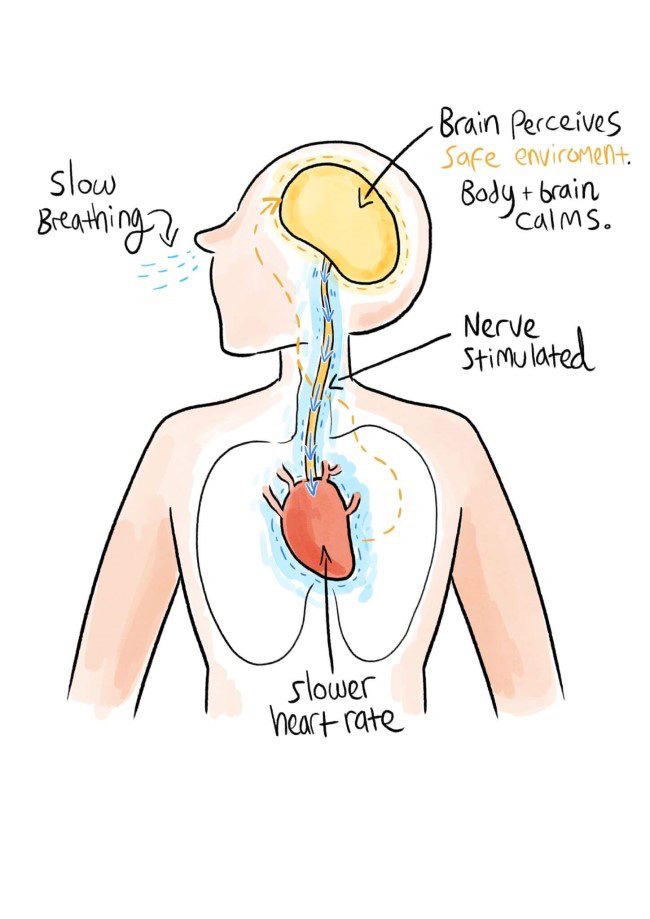
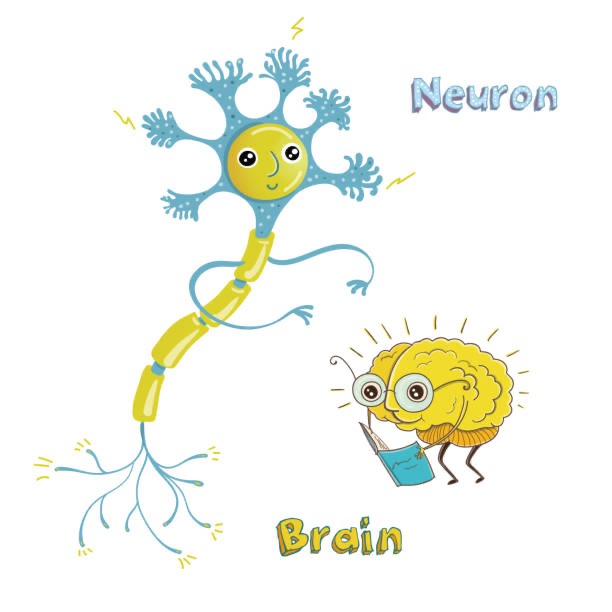
| A Brain-Based Approach to Hip Mobility Sometimes restricted hip movement isn’t only about ‘tight muscles.’ Your brain and nervous system control range of motion.• I use cranial nerve activation drills (such as eye tracking and vestibular work) to calm protective tension.• This approach helps your nervous system feel safe, allowing your hips to unlock more freely.By blending neurological rehab with physical mobility drills, we address both the hardware (muscles, joints) and the software (brain, nerves) of movement.If your back has been nagging at you, don’t just stretch your spine — check your hips too. Improving hip mobility is often the missing link in creating lasting relief. |
Related Reading
Lower back pain https://www.springbackrehabilitation.co.uk/lower-back-pain/
Sample warm up https://www.springbackrehabilitation.co.uk/sample-warm-up/
One perspective on how to conduct a proper warm up and why https://www.springbackrehabilitation.co.uk/one-perspective-on-how-to-conduct-a-proper-warm-up-and-why/
The Squat – the potential King/ Queen of exercises https://www.springbackrehabilitation.co.uk/the-squat-the-potential-king-queen-of-exercises/
Final Thoughts
There’s no “one-size-fits-all” approach to any presenting injury, care and time is needed to listen and work like a therapy detective for the client. Every client is different, which is why I tailor each session to your needs, your goals, and how your body responds.If you’re currently struggling with any injury and want to start moving forward again, I’d be happy to help.👉 Click the link to book an appointment or message me directly to get started. https://www.springbackrehabilitation.co.uk/booking-system/📍
📞 Or drop me a message on Instagram @springbackrehab https://www.instagram.com/springback_rehabilitation/
Ready to Move Better?Let’s get you back to your best—pain-free and powerful.Thank you for taking the time to read this and I look forward to seeing you soon, wishing well in all your health.
Tom