Are you rehabilitating your injury – or just managing it?
| Are You Rehabilitating Your Injury — Or Just Managing It? |
Pain relief is often only the beginning of rehabilitation.
Welcome back to the Springback newsletter.
Over the years, one of the things I’ve noticed most often is that people can become very good at managing an injury without ever really rehabilitating it.
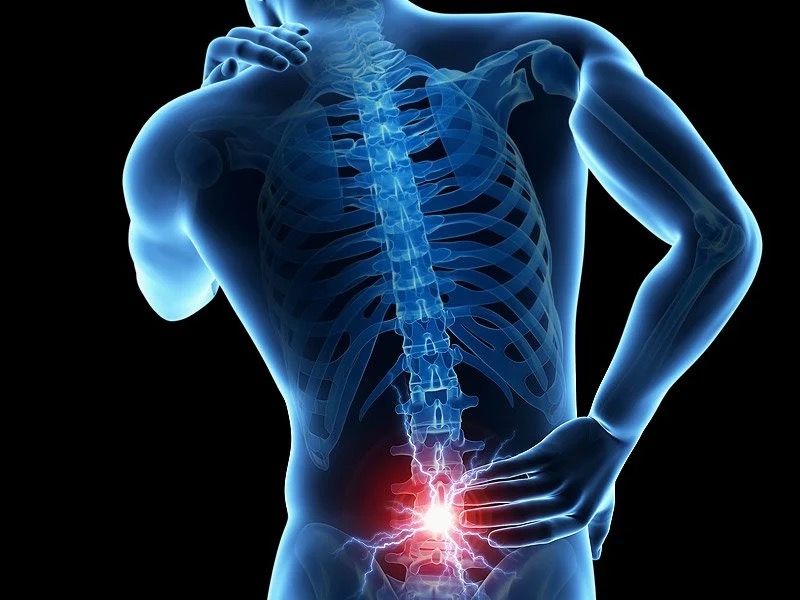
Perhaps you’ve had a bad back for years and know exactly which movements to avoid.
Maybe your knee feels better after treatment, but you’re still nervous about running.
Perhaps your shoulder no longer hurts, but you’ve stopped lifting because you’re worried about aggravating it.
Or maybe you simply accept that something doesn’t feel quite right because you’ve been told that it’s “just one of those things”.
But there is an important difference between reducing symptoms and restoring function.
Feeling better isn’t necessarily the same as being better
Don’t get me wrong — reducing pain is important.
If you’re in pain, getting you more comfortable can be an essential first step.
But the question I often ask is:
“What happens next?”
If treatment makes you feel better but you then return to exactly the same level of activity, with the same weaknesses, movement restrictions or lack of confidence, there is a good chance the problem hasn’t been fully addressed.
This is where rehabilitation comes in.
The aim shouldn’t simply be to get you out of pain.
It should be to help you become more capable.
Rehabilitation is about building capacity
Think about your body like any other system.
If you haven’t used something for a long time, you can’t necessarily expect it to perform at its previous level immediately.
Your muscles, joints, cardiovascular system and nervous system all adapt to the demands you place upon them.
That’s why good rehabilitation is usually progressive.
You might start with something very simple.
A movement that feels comfortable.
A small amount of resistance.
A controlled range of movement.
Then, gradually, we increase the challenge.
More resistance.
More range.
More repetitions.
More speed.
More complexity.
Eventually, the goal is to return you to the activities that matter to you.

And this is where the brain becomes important
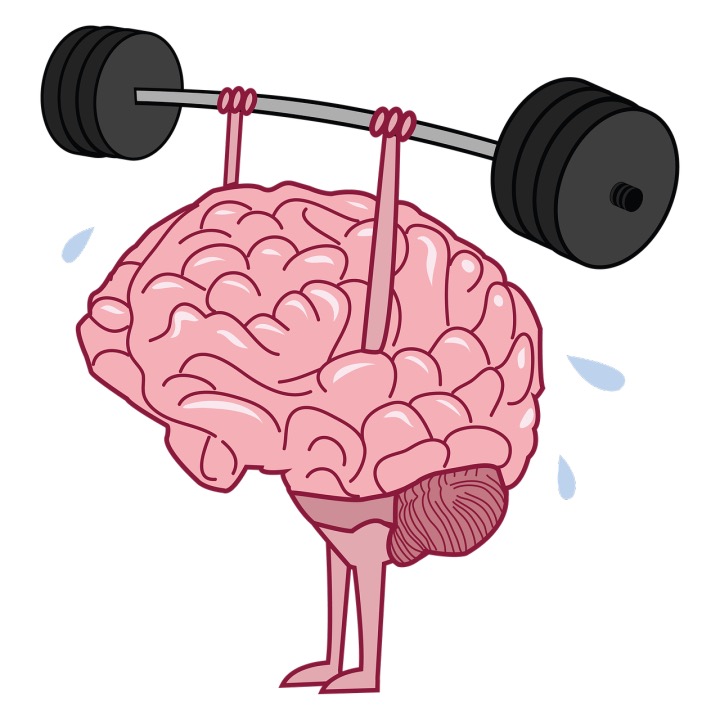
Rehabilitation isn’t just about muscles and joints.
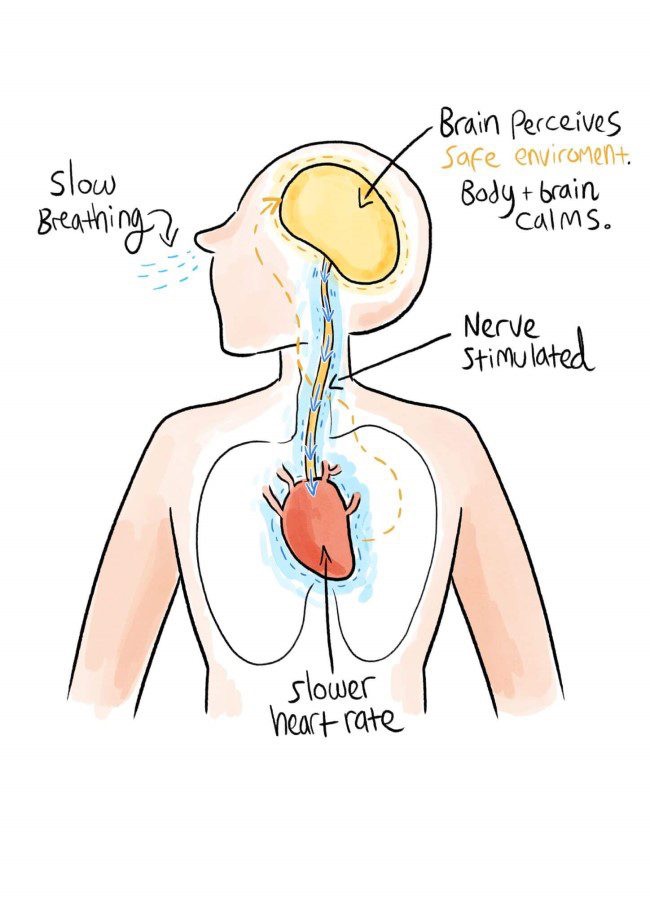
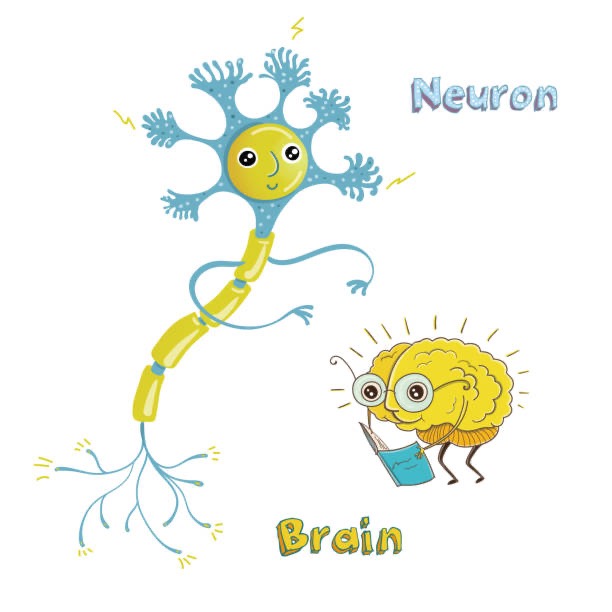
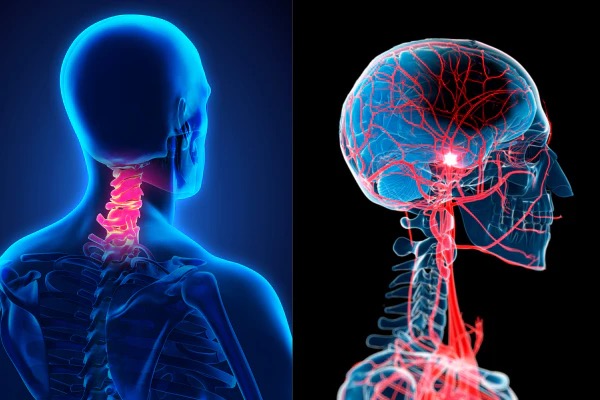
Your brain is constantly receiving information about movement, position, balance, threat and safety.
When you’ve experienced pain or injury, your nervous system can become understandably protective.
Sometimes a movement that is physically safe can still feel threatening.
That’s why I don’t believe rehabilitation should simply be about forcing someone through an exercise because “the muscle needs strengthening”.
We need to consider the person as a whole.
We need to give the nervous system appropriate information and gradually expose it to movements and loads that build confidence.
Confidence is part of rehabilitation.
Being able to say:
“I know I can do this.”
is very different from:
“I hope I can do this without hurting myself.”
Strength is a huge part of the answer
This is one of the reasons I’m such a big believer in strength training as part of rehabilitation.
Strength isn’t just about building bigger muscles or lifting impressive weights.
It’s about giving your body the capacity to deal with life.
Being able to squat down and stand back up.
Getting up from the floor.
Carrying shopping.
Walking up hills.
Playing sport.
Running.
Jumping.
Lifting.
Turning.
And, particularly as we get older, maintaining the strength and confidence to remain independent.
The exercise doesn’t need to be complicated.
It just needs to be appropriate, progressive and purposeful.

From treatment table to training floor
This is also why I’m so excited about the next chapter for Springback.
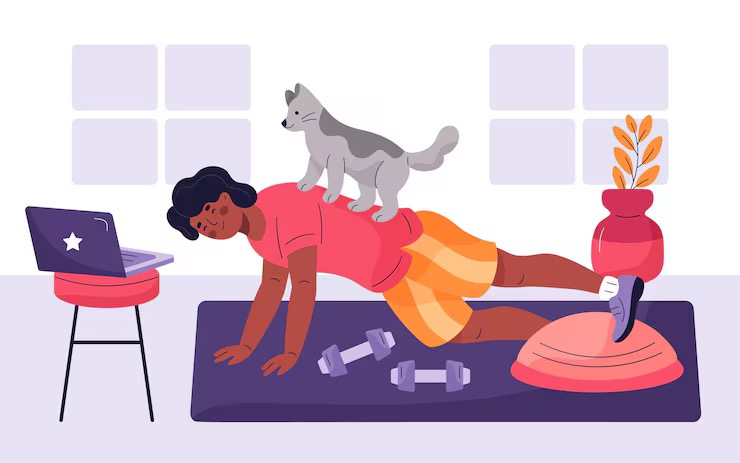
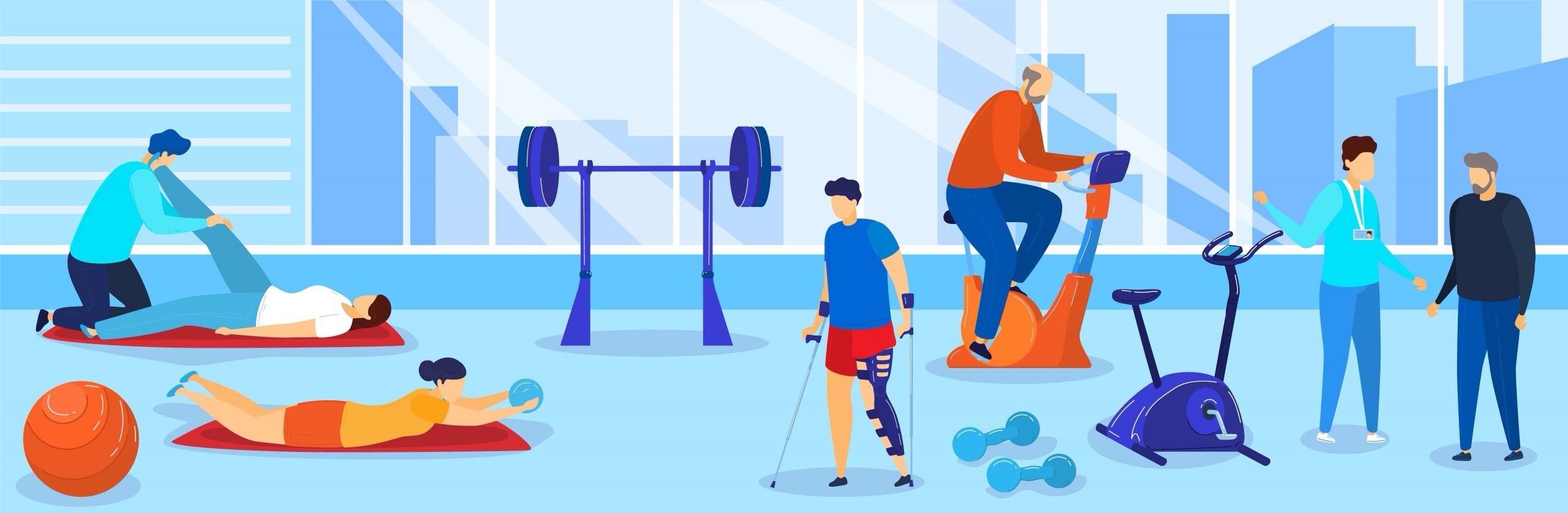
Our new clinic space, including our brand-new fully equipped gym, gives us the opportunity to take rehabilitation further.
Rather than rehabilitation finishing when you leave the treatment table, we can continue the process on the gym floor.
We can assess movement.
Develop strength.
Build capacity.
Challenge balance and coordination.
Work on cardiovascular fitness.
And progressively return you to the activities you enjoy.
For me, this is what rehabilitation should look like:
Pain → Movement → Strength → Confidence → Performance
Not everyone will want the final step to be athletic performance — and that’s absolutely fine.
For one person, performance might mean returning to competitive sport.
For another, it might mean walking the dog without worrying about their knee.
For someone else, it might simply mean being able to get up from the floor, climb the stairs or play with their grandchildren.
Your rehabilitation should be built around what matters to you.
So, are you managing your injury or rehabilitating it?
If you’ve been living with an injury for a long time, it may be worth asking yourself that question.
Are you constantly avoiding certain movements?
Are you relying on treatment to keep symptoms under control?
Have you become less active because you’re worried about making things worse?
Or are you gradually building your strength, movement and confidence so that your body can cope with more?
There isn’t a quick fix for every problem.
And I certainly don’t believe in promising one.
But with the right assessment, the right exercises and a progressive approach, there is often much more potential than people realise.
That’s what we’re aiming to build here at Springback.
Not just a place where you come to feel better.
A place where you can learn to move better, get stronger and become more confident in your body.
And I can’t wait to show you what we’re going to be doing in the new gym.
Until next time,
Tom